


















Mastering the Basic Jump: Footwork and Rhythm for Beginners

Mastering the Basic Jump: Footwork and Rhythm for Beginners
Jumping rope is one of the simplest, most effective ways to build cardio endurance, coordination, and lean power. Yet many beginners struggle not because the move is hard, but because they miss the essentials: the right footwork and a steady rhythm. The basic jump is the foundation you’ll build on for every rope skill to come, from quick intervals to fancy footwork and speed. In this guide, you’ll learn how to set up, how to move, and how to drill your way from tentative hops to a smooth, efficient rhythm. By the end, you’ll approach the basic jump with confidence, control, and a plan for steady improvement.
The Basics: What You Need to Know
Before you swing your rope, take a moment to understand what makes the basic jump work. The basic jump is a simple act: you hop a few millimeters off the ground while the rope passes under your feet in a smooth arc. The magic happens when you synchronize the rope’s turning motion with your own tiny hops. The rope should skim just under your feet, not slam into your toes or your shins. The motion comes primarily from your wrists and forearms, not your shoulders. Your feet stay mostly together, absorbing shock with your calves and ankles, while your core stays engaged to keep you balanced.
Why Footwork and Rhythm Matter
Footwork is the roadmap of the jump. It determines where your weight lands, how quietly you move, and how long you can sustain a session without fatigue. Rhythm—counting, timing, and flow—helps you maintain consistency, which is essential for endurance and technique. When your feet land softly and your wrists turn the rope with a steady pace, you create a smooth, almost effortless motion. For beginners, mastering footwork and rhythm is less about speed and more about control. A controlled basic jump saves energy, reduces impact, and makes it easier to progress to more advanced moves.
Equipment and Setup: Getting the Right Start
The right rope and setup can transform your practice from frustrating to enjoyable. Here’s how to choose and set up:
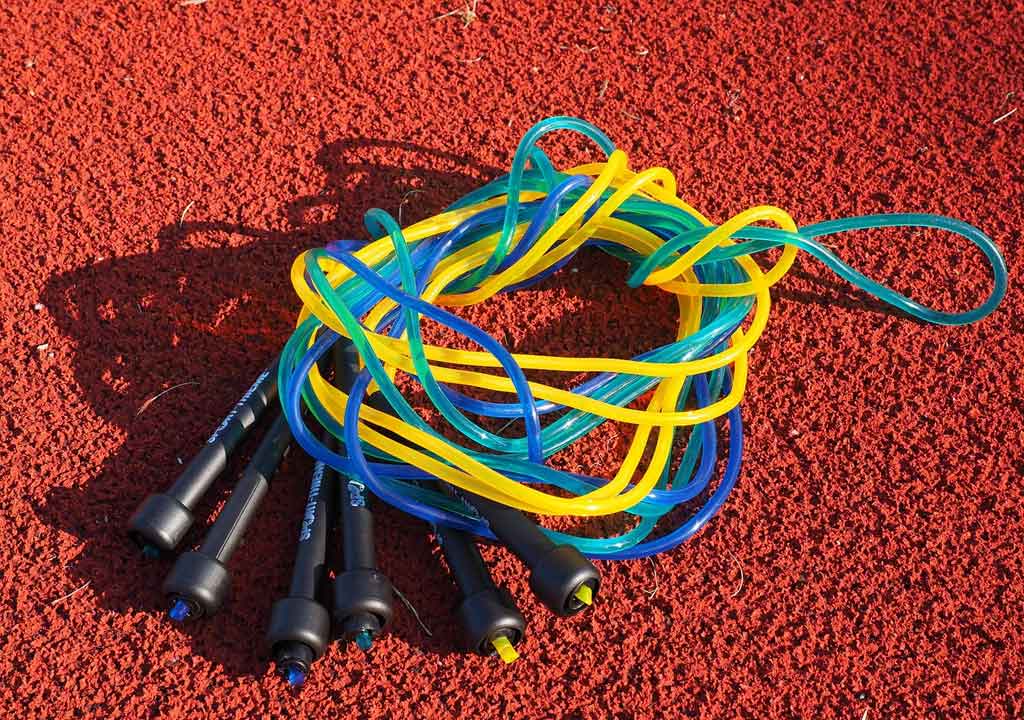
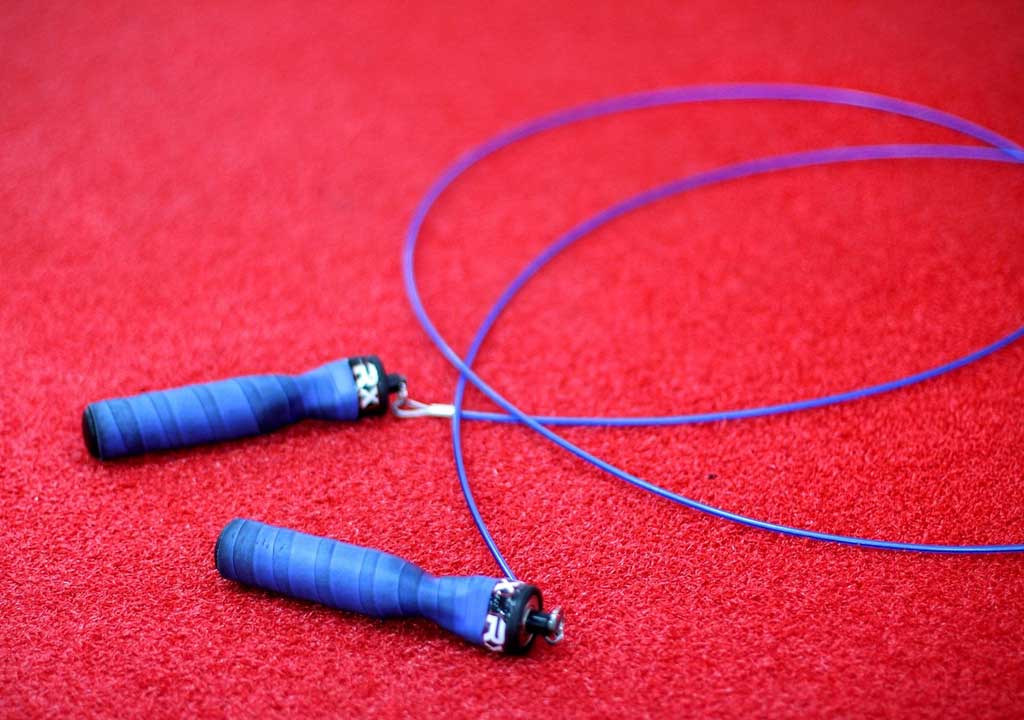
- Rope type: A standard speed rope or a slightly weighted beaded rope works well for beginners. A speed rope is thin and fast, which helps you develop timing, while a beaded rope provides a more obvious feedback when you miss a turn.
- Length: A rope that’s too long or too short makes timing hard. A good starting rule: stand on the middle of the rope with both handles reaching roughly to your armpits. If you’re tall or short, adjust by a small amount—rope length should feel like a direct line from your hands to the ground with a little slack.
- Footwear: Supportive athletic shoes with a firm heel and a cushioned forefoot help absorb impact. Avoid worn-out sneakers that lack stability.
- Surface: Practice on a flat, non-slip surface. A gym mat can cushion landings, but a very soft surface may make timing trickier. A wooden or smooth concrete floor often works well.
Stance, Posture, and Setup
Your body position is the foundation of a clean basic jump. Start with a neutral, athletic stance:
- Feet hip-width apart, toes pointing forward or slightly outward. Knees soft, not locked.
- Hips and shoulders squared, chest up, chin parallel to the floor.
- Core engaged to stabilize your spine.
- Arms bent at about 90 degrees, with wrists near your hips and elbows in, allowing the rope to rotate from the wrists rather than large shoulder movements.
- Light, controlled hops: you want to spring off the ground just enough to clear the rope. Too much height wastes energy and disrupts rhythm.
The Basic Jump Technique: Step-by-Step
The following step-by-step approach helps you build a clean, repeatable motion. Take it slowly at first, then gradually increase your tempo as you gain confidence.
1) Grip and wrist motion: Hold the handles lightly with a relaxed grip. The rope should rest behind your wrists, and you should initiate the turn with small wrists and forearms. Avoid heavy arm swings; let the wrists do the work.
2) Rope angle and clearance: Keep the rope close to your body so it travels beneath your feet in a compact arc. The rope should brush the ground softly in front of you, not slap your toes.
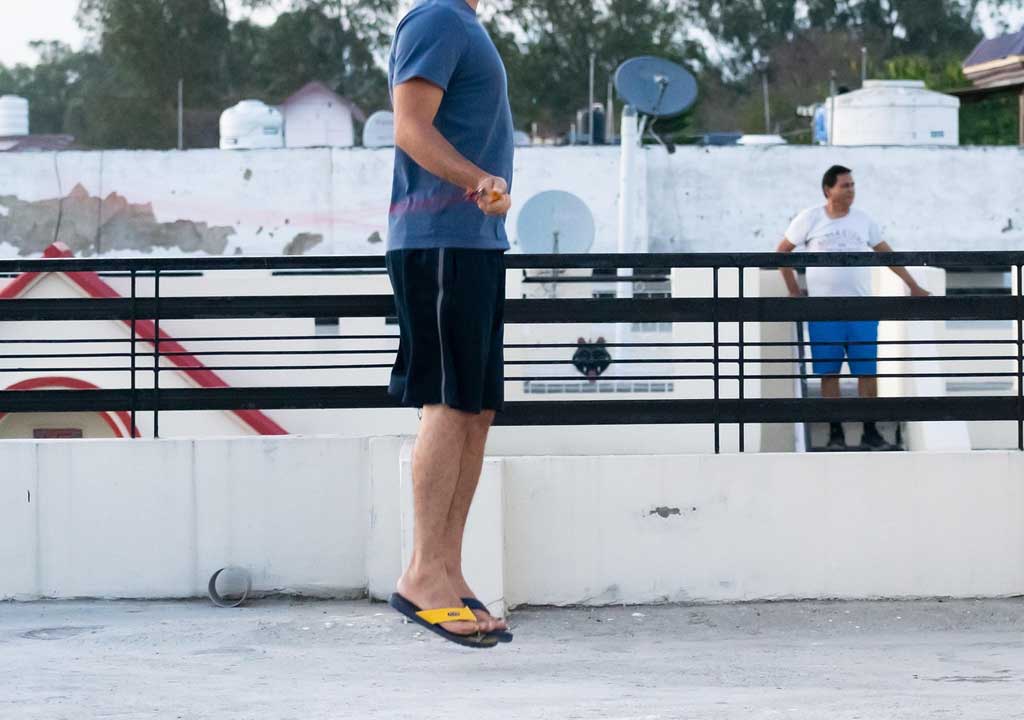
3) Jump height: Use tiny hops. You’re aiming to clear the rope by a few millimeters to a centimeter or two—enough to allow the rope to pass under your feet. If you’re landing hard, reduce height and focus on softer landings.
4) Landing mechanics: Land softly on the balls of your feet with a slight bend in your knees. The landing should be quiet and controlled, like tiptoeing. If you feel a jolt, reset your height and posture.
5) Breathing and cadence: Breathe steadily. Inhale lightly as you prepare, exhale or hiss with a gentle exhale as you land, and coordinate your rhythm with a count in your head or a metronome.
Counting and Rhythm: How to Keep Time
Rhythm is the heartbeat of the basic jump. A simple counting method helps beginners synchronize jumps with rope rotations:
- Basic 2-count rhythm: Count "1-2" for each rope pass. For every "1," you land and prepare; on every "2," you push off for the next hop. The rope completes a full cycle on each count, so your timing aligns with the rope’s arc.
- Music-based rhythm: If you have music, choose a tempo around 120-140 beats per minute (BPM) to start. Tap your foot to the beat or count aloud at a comfortable pace while jumping.
- Metronome approach: A metronome set to 40-60 BPM (or higher, depending on your comfort) can guide you through slower, deliberate practice. Increase tempo gradually as your control improves.
Common Mistakes and How to Fix Them
Even with good intentions, beginners encounter several recurring issues. Here are the most common mistakes and practical fixes:
- Overshooting height: If you’re jumping too high, you waste energy and throw off timing. Fix: shrink your jump height to the bare minimum needed to clear the rope; focus on soft landings and quick turnover.
- Hitting the rope with the feet: If the rope keeps hitting your toes, your rope length or timing may be off. Fix: check rope length again, shorten slightly, and slow down the pace to reestablish control.
- Large arm movements: Big shoulder swipes or wide arm movements disrupt rhythm and waste energy. Fix: keep elbows in, and mainly rotate the rope from the wrists.
- Poor posture: Slouched shoulders or a drooping chest reduces stability. Fix: stand tall, keep your chest open, and engage your core to maintain balance.
- Inconsistent timing: If rhythm wavers, you’ll stumble. Fix: slow the pace, count aloud, and practice in short, focused segments before attempting longer sessions.
Drills to Build Footwork and Rhythm
Drills help you isolate and improve specific aspects of the basic jump. Work on these in short, focused sessions, gradually increasing duration as you gain confidence.
- Single-foot taps (for balance): Stand on one foot for a breath, then switch. This builds ankle strength and balance, which contribute to smoother landings. Start with 5-10 seconds per foot and progress as you can hold longer.
- Side-to-side hops: Jump with a tiny lateral movement, alternating feet as the rope passes. This builds rhythm and helps you stay light on your feet without breaking form.
- Quick taps, slow tempo: Move to a slower tempo and practice faster foot taps on the ground between rope passes. The goal is to keep wrists turning steadily while feet stay light.
- Consecutive ground taps: Tap the ground with your toes as you jump, one tap per jump. This trains you to time your foot contact with the rope’s arc.
- Restart practice: If you lose rhythm, pause, reset to a comfortable pace, and perform 4-6 reps with precise form before trying to lengthen the session.
A Progressive Training Plan for Beginners
Consistency beats intensity in early rope practice. Here’s a four-week plan designed to build footwork, rhythm, and endurance without overwhelming your joints.
Week 1: Foundation and awareness
- Frequency: 3 sessions, 10-12 minutes each.
- Focus: Establish stance, rope length, soft landings, and a steady 1-2 count.
- Reps: 3 sets of 2-3 minutes with 60 seconds rest between sets.
- Drills: Basic jump, light metronome or count; posture checks at every 30 seconds.
Week 2: Stability and timing
- Frequency: 3-4 sessions, 12-15 minutes each.
- Focus: Maintain rhythm across longer bouts; refine wrist movement; reduce rope contact with toes.
- Reps: 4 sets of 2-4 minutes with 45-60 seconds rest.
- Drills: Introduce side-to-side hops for balance; offset your rope cadence slightly to the beat.
Week 3: Endurance and control
- Frequency: 4 sessions, 15-20 minutes each.
- Focus: Sustain a steady rhythm for longer periods; improve breath control.
- Reps: 5 sets of 3-4 minutes with 45 seconds rest; try a 1-minute continuous set as a capstone.
- Drills: Combine basic jumps with short pauses to practice restarting smoothly.
Week 4: Confidence and consistency
- Frequency: 4-5 sessions, 15-25 minutes each.
- Focus: Smooth, consistent cadence; clean landings; confident rope turnover.
- Reps: 6 sets of 3-4 minutes; add a slightly faster tempo if you can sustain form.
- Drills: Short sequences with a metronome; practice in front of a mirror to monitor form.
Safety First: Injury Prevention and Care
Jumping rope is low-impact for the right technique, but improper form or excessive volume can lead to shin splints, Achilles tendinopathy, or knee pain. Follow these safety tips:
- Warm-up: Always start with 5-10 minutes of dynamic warm-up (ankle circles, light jogging in place, hip circles) before you jump. This prepares joints and muscles for activity.
- Progress gradually: Increase time and intensity gradually. If you feel sharp pain, stop and reassess technique or rest for a day.
- Footwear and surface: Use supportive shoes and a forgiving surface to reduce impact. If you’re unsure about your technique, practice on a mat or carpet for softer landings.
- Rest and recovery: Give your body time to recover. Alternate days of practice with rest days or lighter cross-training.
Rhythm Without a Beat: Music and Metronome Options
Music can be a powerful rhythm cue, but it can also distract beginners. Here are strategies to use music effectively:
- Start with silent counting: Let your breath, cadence, and rope sound guide you before introducing music.
- Choose simple tempos: Pick songs or tempos in a comfortable range (around 120-130 BPM for many beginners). If you can’t talk while jumping, your tempo might be too fast.
- Use a metronome with music: If you use music, consider a metronome app that you can set to the song’s BPM. This helps you maintain a consistent tempo even if the music changes.
Beyond the Basic Jump: Where to Go Next
Once you’re comfortable with the basic jump, you can diversify your routine to keep things engaging and to challenge your coordination. These next steps can be introduced gradually:
- Speed variations: Short bursts of faster footwork interspersed with basic jumps to build speed and endurance.
- Double unders (advanced): The rope passes under your feet twice per jump. This is an advanced skill requiring quick wrists and light feet.
- Crossovers and turns: On each jump, cross your arms in front of you or spin the rope around your body to build coordination and range of motion.
- Side-to-side and linear drills: Move laterally or along a straight line while maintaining rope rhythm to improve agility and spatial awareness.
Tips for Lifelong Progress
- Consistency beats intensity: Short, regular sessions often beat occasional, long sessions. Aim for daily 5-15 minutes if possible.
- Track progress: Keep a simple log of reps, time, and how you felt. Note what helped you improve and what still gives you trouble.
- Celebrate small wins: A clean, quiet jump after weeks of struggle is a big milestone. Acknowledge it and set a new target.
- Listen to your body: If you notice persistent pain, back off and reassess technique or consult a professional. Proper form prevents injuries and accelerates progress.
FAQs: Quick Answers for Beginners
Q: How high should I jump on the basic jump?
A: Just high enough to clear the rope—often a few millimeters to a couple of centimeters. The goal is efficient turnover, not height.
Q: How long should I practice each day?
A: Start with short, focused sessions (10-15 minutes) and gradually extend as your endurance improves. Aiming for 3-5 sessions per week is a good baseline.
Q: I keep tripping on the rope. What now?
A: Check rope length, ensure consistent turn with wrists, and slow down. Practice slow, controlled reps to rebuild timing before increasing speed.
Q: Do I need to warm up specifically for rope jumping?
A: Yes. Do a light 5-10 minute warm-up that includes ankle mobility, leg swings, and light jogging to prepare your joints and nervous system.
Q: Can I jump barefoot?
A: It’s possible but not recommended for beginners. Shoes provide traction and cushioning, reducing the risk of injury. If you try barefoot, ensure a very soft surface and minimal height.
Conclusion: Your Path to Mastery
Mastering the basic jump is less about raw talent and more about deliberate practice, patient progression, and mindful technique. The combination of precise footwork, a steady rhythm, and controlled landings forms the cornerstone of a sustainable rope routine. With a solid setup, clear posture, and a plan for gradual progression, you’ll turn a modest jump into a powerful tool for fitness, coordination, and confidence. Remember, every expert was once a beginner. Celebrate your small improvements, stay curious about the subtleties of rhythm and timing, and keep your practice consistent. The basic jump is simple in concept, but its true value reveals itself with consistent practice over time. Put in the reps, trust the process, and you’ll be surprised by how quickly your footwork and rhythm become second nature.
LIKED THIS ARTICLE? SHARE IT: