

















Material Matters: Choosing the Right Jump Rope for Your Training

Material Matters: Choosing the Right Jump Rope for Your Training
Jump rope training is one of the most efficient, scalable, and affordable ways to boost cardio fitness, coordination, and athletic rhythm. But not all ropes are created equal. The material a rope is made from—not just its weight, length, or handle shape—drives how smoothly it spins, how forgiving it feels on your joints, and how long it will last under regular use. For beginners, a rope that’s too light or too stiff can be discouraging; for seasoned athletes, the wrong material can bottleneck progress or break down quickly under heavy training. In this guide, we’ll break down the most common jump rope materials, explain who they’re best for, and give you a practical framework to pick the right rope for your goals, surface, and training level.
By understanding material matters, you can invest with confidence and unlock a rope that supports consistent, high-quality workouts rather than a rope that merely “sort of works.”
Understanding the core materials
Jump ropes come in a few distinct material families, each with its own feel, durability, and ideal use cases. While there are endless variations, most ropes fit into one of these categories: beaded (or segmented), plastic (PVC), coated steel cable, and leather or natural fiber ropes. Some ropes blend materials for performance and durability, such as steel cores wrapped in a nylon or PVC coating. Your choice depends on surface, speed, training goals, and how much maintenance you’re willing to do. Let’s unpack each category and its typical strengths and trade-offs.
Beaded ropes: rhythm, feedback, and beginner-friendly stability
Beaded ropes consist of a string of small plastic beads linked together to form a rope that travels along its own beads. This design creates audible feedback as each bead clicks over the floor, which can help new jumpers develop rhythm. Because the rope is more rigid than a flexible cable, it’s forgiving on textured surfaces and less prone to tangling, which makes it an excellent choice for beginners, outdoor training, or venues with rough floors. The trade-off is speed: beaded ropes tend to rotate more slowly than cable-based ropes, and they require a bit more effort to keep moving at higher speeds.
Beaded ropes are often heavier than a typical speed rope, primarily due to the bead construction, and they don’t glide as smoothly as a fine steel cable on polished gym floors. They’re a great entry point, helping you build form, coordination, and timing before advancing to faster tools.
PVC (plastic) ropes: lightweight, versatile, and user-friendly
PVC ropes—often called plastic ropes—are a staple in many gym bags for good reason. They’re inexpensive, durable, and easy to find. PVC ropes can be purchased in solid colors or insulated with coatings to improve abrasion resistance. They’re typically used indoors on smooth floors, and many models are designed with lightweight handles that maximize swing speed. The main advantage is comfort: the rope tends to move predictably, and softer plastics play nicely with joints during longer sessions. On the downside, PVC ropes can wear out faster if dragged across rough surfaces or stepped on repeatedly, and they’re not the most stealthy in terms of speed compared to high-quality coated cables. Still, for most general fitness routines, a PVC rope offers a forgiving entry into the sport and a reliable performance profile.
Coated steel cables: the speed staple for performance-focused training
Coated steel cables are the go-to choice for serious jumpers who want fast, smooth rotations and resilience. The core is a fine steel wire, often around 1.0–1.5 mm in diameter, wrapped with a protective coating (commonly nylon or PVC). The coating reduces friction, extends life on hardwood or tile floors, and prevents kinks that can derail your rotation. The feel is “crisp” and responsive: the rope snaps through the hands with very little drag. These ropes excel for high-speed workouts, double-unders, and competitive scenarios. They do require a bit more maintenance—check for nicks in the coating, wipe them down after sweating, and ensure the coating isn’t worn through at the connector points. If you want a rope that can sprint with you, a coated steel cable is usually the best bet.
Leather and natural fiber ropes: stability with a touch of old-school feel
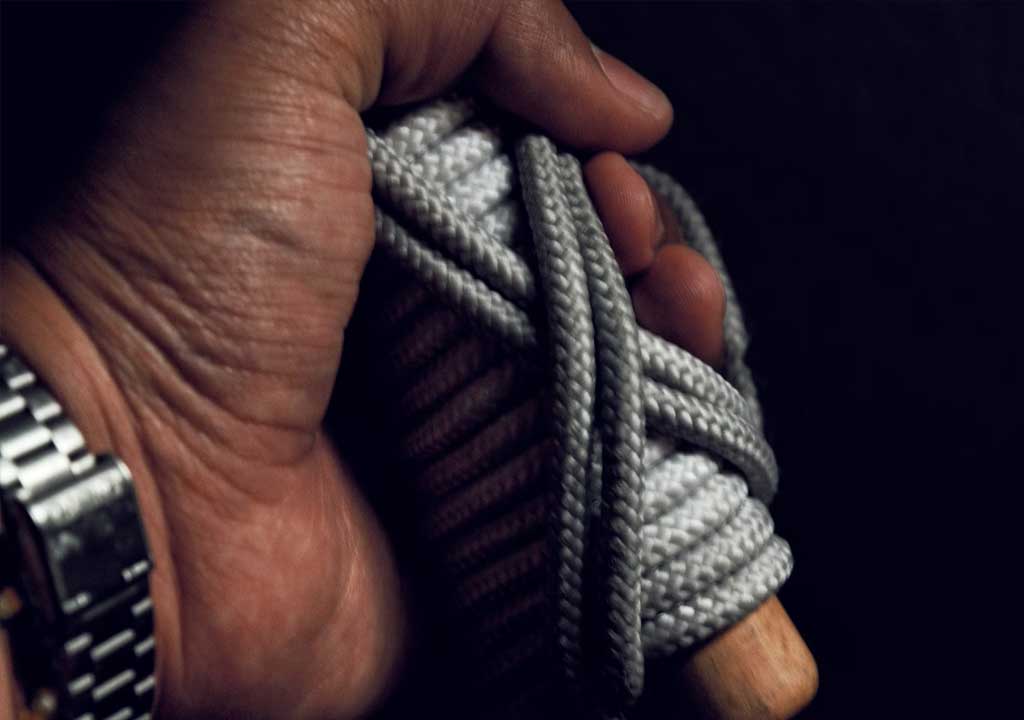
Leather ropes are among the oldest jump rope designs. They often provide a comfortable grip and a satisfying tactile feel, with a slower, heavier swing that can be beneficial for beginners or for practicing certain techniques. Leather ropes can be excellent for outdoor use if you’re working on rhythm and timing, but they’re not as durable on concrete or rough surfaces and can wear unevenly if used aggressively. Some athletes appreciate their tactile feedback and the sense of control they offer during moves like cross-overs and turns. Natural fiber ropes (such as cotton or hemp) exist less commonly in athletic settings but can be found in some boxing gyms or functional fitness studios. They’re typically heavier and slower than plastics or cables, making them less ideal for high-speed training but potentially valuable for less intense sessions focused on form and coordination.
In practice, most serious trainers lean toward coated steel cables for performance and PVC for value, with beaded ropes serving beginners or outdoor use, and leather falling into a niche role for specific training contexts. The key is to match material to your environment, your goals, and how much time you’re willing to invest in maintenance and length adjustments.
Handles and rotation: beyond the rope itself
The rope’s behavior is inseparable from the handles and the bearing system. A cheap rope with smooth bearings can feel excellent; a high-end rope with stubborn bearings won’t. Here are the main elements to consider in handles and rotation, because these influence the “feel” more than you might expect.
Bearings vs bushings: speed and smoothness
Most modern jump ropes use either ball bearings or bushings to allow the rope to rotate with minimal resistance. Bearings use small ball bearings inside the handle to enable ultra-smooth rotations, which translates to faster swings and more control at high speeds. Bushings are simpler, often cheaper, and can be adequate for beginners or casual training, but they tend to wear faster and aren’t as efficient at extreme speeds. For serious speed work, double-unders, or competitive training, a rope with sealed ball bearings is a smart choice because it can maintain consistent performance for longer and produce less friction.
Care for bearings is simple: wipe away sweat, avoid water ingress into the internal mechanism, and lubricate only if the manufacturer recommends it. If you train on abrasive floors or frequently catch the rope in knots, be mindful that bearings and inner components can be stressed more quickly.
Handle materials: grip, weight, and fatigue
Handles come in plastic, aluminum, wood, or composite materials. Plastic handles are common on budget ropes and are light, but can become slippery as you sweat. Aluminum handles are rigid, durable, and offer a premium feel with a solid balance of weight and control. Wood handles have a traditional, comfortable grip and are less common on modern speed ropes but appreciated by some athletes for the tactile feedback and warmth in the hand. Grips can be rubberized or textured to improve moisture resistance and prevent slippage. If you train with heavy or fast ropes, a well-balanced, slightly heavier handle can reduce wrist fatigue and improve control during long sessions. If your workouts emphasize quick transitions and double-unders, a lighter, smoother handle can help maximize speed.
Length adjustment: finding your perfect fit
Most jump ropes offer adjustable lengths, either with a clip system, a screw, or an easy-access mechanism. A properly sized rope feels like it just clears the floor when you stand in the middle and pull the handles upward along your body—typically reaching up to your armpits or shoulders. The exact method for calibrating length varies by model. A good starting point is to set the rope length so that the handles reach your armpits when you stand on the middle of the rope with both feet. From there, test a few jumps and adjust as needed based on comfort and technique. If you’re tall, you’ll likely need a longer rope; if you’re short, a shorter rope is often more controllable. If you’re in between sizes, test in both positions and choose the one that minimizes contact with the floor while maximizing your range of motion.
Weight and balance: adding variety to your training
Ropes aren’t just about the material; the overall weight distribution plays a significant role in how they feel during use. Some ropes are marketed as “lightweight speed ropes” designed to pivot with almost zero effort, while others are “weighted” so they offer a stronger resistance for strength-building or endurance work. Weighted ropes typically add extra grams to either the rope itself or the handles. The benefits of a weighted rope include increased muscular demand and a more deliberate, lower-speed swing that builds strength in the forearms, shoulders, and core. The trade-off is reduced speed and a steeper learning curve for new moves. For athletes focusing on double-unders and fast footwork, a lighter rope—or a lighter cable with a thin coating—enables faster rotations and less arm fatigue. For endurance or conditioning days, a mid-weight or slightly weighted rope can introduce a new stimulus without completely derailing technique.
Surface, durability, and maintenance
The environment where you train has a big impact on rope choice. A smooth gym floor will reward a fast, well-maintained coated cable or PVC rope with minimal drag. A rough outdoor surface, such as asphalt or concrete, can quickly wear down certain materials, especially cheaper PVC ropes. Beaded ropes tolerate outdoor use better than slick cables on rough surfaces because they don’t slide as easily along the floor, but they aren’t ideal for high-speed moves. Maintenance is another factor: coated steel cables require occasional inspection for nicks and wear in the coating, and wiping them down after sweating can prevent rust on metal components. PVC ropes can benefit from light cleaning and occasional lubrication (as recommended by the manufacturer) to maintain smooth rotation. Leather ropes deserve a dry environment and occasional conditioning to prevent cracking or stiffness. A quick rule of thumb: choose a material that can survive your training surface, and treat it with the care it deserves to maximize longevity.
Matching rope to your goals
Your training goals should drive rope selection just as much as your current skill level. Here are common objectives and how material choices align with them.
Goal: basic cardio and coordination for beginners
Best options: beaded ropes or PVC ropes with comfortable handles. These are forgiving, audible feedback helps with rhythm, and the lower speed is less intimidating. The goal is consistency and technique—not speed, not heavy impact. A beaded rope on a smooth gym floor or outdoor pavement can be a great starter, easing you into the motion and reducing the mental load of timing. As you build confidence, you can transition to a lighter PVC or coated steel cable to introduce faster rotations.
Goal: speed, agility, and double-unders
Best options: lightweight coated steel cables with ball bearings and slippery, smooth handles. Speed ropes excel here. They respond quickly to subtle wrist movements, and the low-friction coating minimizes drag. A sealed ball-bearing system reduces resistance and helps you sustain high cadence. If you’re practicing double-unders, you’ll want a rope that rotates effortlessly, maintains consistent length when you swing, and doesn’t snag on your clothing or fingers. Expect to invest more in a quality rope and spend time dialing in length and technique, but the payoff is a dramatic jump in speed and consistency.
Goal: conditioning and strength work
Best options: weighted ropes or mid-weight PVC/cable hybrids. Heavier ropes increase muscular demand and joint loading, which can accelerate results in endurance, grip strength, and stabilizer muscles. They also slow down the motion, which can help you focus on form under load. For a balanced approach, alternate weeks or days between a standard speed rope and a weighted option. Don’t neglect technique—poor form with a weighted rope can accelerate fatigue or cause shoulder strain, so ensure your posture remains tall, shoulders relaxed, and wrists driving the motion rather than the entire arm.
Goal: functional fitness and CrossFit-style workouts
Best options: mid-weight to lightweight cables with reliable bearings and a compact, comfortable grip. CrossFit and functional fitness workouts reward durable, versatile ropes that can handle a variety of moves and surfaces. Be mindful of the workout’s cadence: you’ll switch between short rounds of fast doubles, rope climbs (simulated or assisted), and stability work, so you want something that’s easy to adjust on the fly and resilient to sweat and rough use. A good all-around cable rope with quality bearings and a comfortable handle often hits the sweet spot for these routines.
Practical tips for choosing now
Ready to buy or upgrade? Here’s a concise checklist you can use, whether you’re shopping online or in a store:
- Identify your primary training environment: indoor smooth floors vs outdoor rough surfaces.
- Choose a material that aligns with your goal: speed and technique vs durability vs strength training.
- Test the length in stages: stand on the rope’s midpoint and pull the handles to armpit height; adjust if the rope drags or feels slack.
- Consider the bearing system: if you expect to do high-speed work or double-unders, opt for sealed ball bearings for smoother rotation.
- Inspect the coating and connections: avoid ropes with exposed metal or cracked coatings at the joint where rope meets handle, as these will fail sooner.
- Account for maintenance: some ropes require occasional lubrication or cleaning; others are nearly maintenance-free.
- Balance cost with durability: higher upfront cost often yields longer life and better performance, especially for frequent training.
When you’re choosing, it can be helpful to consider two or three options and see which best matches your daily routine. If you train in a gym with a variety of surfaces, a flexible PVC or coated steel cable with a durable, comfortable handle tends to be a versatile choice. If you’re focused on home workouts and budget, a basic PVC rope with a steady, mid-range length can be a reliable entry point. If you’re a competitive athlete or a CrossFit enthusiast, prioritizing a fast, light, ball-bearing cable will serve you best over time.
Common myths about rope materials
As with many fitness tools, there are persistent myths about jump rope materials. Here are a few to separate fact from fiction:
- Myth: Heavier ropes are always better for training. Reality: Heavier ropes increase muscular demand but can slow you down and hinder technique development in speed-focused workouts.
- Myth: Beaded ropes are only for beginners. Reality: Beaded ropes are excellent for rhythm and outdoor use, and they’re often chosen by athletes who want a durable, low-maintenance option for travel or rough floors.
- Myth: Leather ropes are outdated and useless. Reality: Leather ropes offer a tactile feel and can be great for certain movements and rhythm practice, particularly in controlled environments and lower-impact sessions.
- Myth: Any rope will do for double-unders. Reality: Consistent, high-speed double-unders benefit from a lightweight, well-balanced cable with smooth bearings and the correct length; cheaper setups tend to stall at higher speeds.
Maintenance and longevity: keeping your rope in top shape
How you care for your rope determines how long it lasts and how consistently it performs. Here are care tips that apply across materials:
- Wipe down after workouts to remove sweat and oils, especially from steel cables where moisture can cause corrosion over time.
- Inspect regularly for nicks, cracks, or worn coatings at the transition points where rope meets the handle.
- Store in a cool, dry place away from direct sunlight to prevent coating degradation and handle warping in wooden or plastic components.
- Rotate through workouts to reduce wear in a single area of the rope; this is especially important for heavy use in CrossFit environments.
- If the rope becomes stiff or starts to quiver during rotation, check for tangles or twists and re-tune the length as needed.
Putting it all together: a simple decision framework
To help you finalize your choice, here’s a practical decision framework you can run through in a few minutes:
- Define your primary use: general cardio, speed work, doubles, endurance, or CrossFit-style training.
- Assess your training surface: smooth indoor floors or rough outdoor surfaces; this strongly influences material choice and durability.
- Pick a material category aligned with your goal: coated steel for speed and reliability; PVC for versatility and budget; beaded for beginners or outdoor use; leather for a traditional feel or rhythm work.
- Evaluate the bearing system and handle design: ball bearings for speed; bushings for simplicity; consider grip texture and handle weight distribution.
- Set your length according to your height and swing style; test with a few reps and adjust as needed.
- Consider maintenance and longevity: are you willing to perform light upkeep, or do you need a low-maintenance option?
By following this framework, you’ll finish with a rope that matches your needs rather than chasing the latest trend or a superficial feature. The right material makes training more efficient and enjoyable, which in turn reinforces consistency—one of the most powerful predictors of long-term progress in any fitness endeavor.
Illustrative examples: three practical setups
To make the material distinctions concrete, here are three common, realistic setups you might encounter and the kind of rope that pairs best with each scenario.
Example A: Home cardio for a busy parent
Goal: quick, efficient workouts; a rope that travels well on a home wood floor and resists wear. Preferred choice: PVC rope with a comfortable, medium-weight handle and a simple length adjustment. Why: it’s affordable, durable, and forgiving on typical household floors. You’ll get quiet, dependable turns, and you can do short intervals without worrying about noise or floor damage. Maintenance is minimal, and the rope is easy to store in a drawer or under a bed.
Example B: Weekend warrior preparing for a local competition
Goal: high-speed, precise double-unders and light, responsive feel. Preferred choice: coated steel cable rope with sealed ball bearings and aluminum handles. Why: it offers the fastest rotations with minimal friction, allowing you to crank out more reps in a session, while the coating protects against floor abrasion. The bearings provide smooth, consistent motion, which translates into reliable timing when you’re trying to maximize your scoring in a competition format. Expect to invest a bit more, but you’ll likely see faster progress in speed and technique.
Example C: Outdoor training on rough surfaces
Goal: durable, low-maintenance routine with a focus on rhythm and basic conditioning. Preferred choice: beaded rope or a rugged PVC rope with a thicker coating and a textured grip. Why: the beads resist snagging on rough surfaces, and the rope won’t scuff up quickly. This setup is forgiving for outdoor sessions and travel, and it helps you build baseline coordination before moving to faster, high-precision tools.
Accessibility, inclusivity, and practical considerations
Jump rope training is accessible to a wide range of people, from beginners to elite athletes, including those who are new to exercise or returning after a break. The material you choose can influence how approachable the sport feels. A beaded rope, for instance, often lowers the cognitive load and reduces anxiety for novices, letting them focus on learning the basic jump and cadence rather than fighting with a fast, slippery rope. Conversely, athletes who require precise timing for sport-specific drills or competition should prioritize a high-quality coated steel cable with bearings, which reliably supports advanced moves like double-unders and triple-unders. Finally, if you have joint sensitivities or experience impact-related discomfort, a rope with an ergonomic handle and a forgiving surface (like a well-coated cable) can help you continue training with less stress on your body.
References and further reading
For readers who want to dive deeper into rope mechanics, here are a few angles to explore next: the physics of rope rotation, the role of inertia in swing speed, and the biomechanics of double-unders. Look for materials on grip ergonomics, surface impact, and the latest in wearable tracking for jump rope training. While this guide focuses on material considerations, a broader understanding of technique, cadence, and progression remains essential for long-term success.
Conclusion: make the material work for you
The ropes you choose are more than just accessories; they shape how easily you can practice, how quickly you advance, and how consistently you can train week after week. By attending to material differences—the core strength and feel of PVC, the speed and resilience of coated steel, the rhythm-friendly feedback of beaded ropes, and the traditional control of leather—you equip yourself with tools tailored to your goals, environment, and physiology. The right rope will arrive not as a flashy gadget but as a reliable partner that stays in step with your workouts, encouraging consistency, technique refinement, and ongoing progress.
Start with a clear sense of where you want to go, pick a material that aligns with that path, and then practice with intention. Your future self will thank you for the decision to invest in the right rope today.
LIKED THIS ARTICLE? SHARE IT: