


















Footwork Fundamentals: Ground Contact and Agility for Jump Rope

Footwork Fundamentals: Ground Contact and Agility for Jump Rope
Jump rope is often celebrated for its cardio power, rhythm, and timing, but at the heart of every smooth, efficient session lies a quiet, often overlooked skill: ground contact and agile footwork. Good footwork doesn’t just help you jump higher or land softly; it keeps your ankles protected, your rope turning smoothly, and your brain in sync with your body. The best jumpers treat their feet as the foundation of performance—tiny changes in how you contact the ground can cascade into bigger improvements in speed, endurance, and control. This article breaks down the essentials of ground contact and agility for jump rope, with practical cues, drills, and a progression you can build into your training week.
Why ground contact matters in jump rope
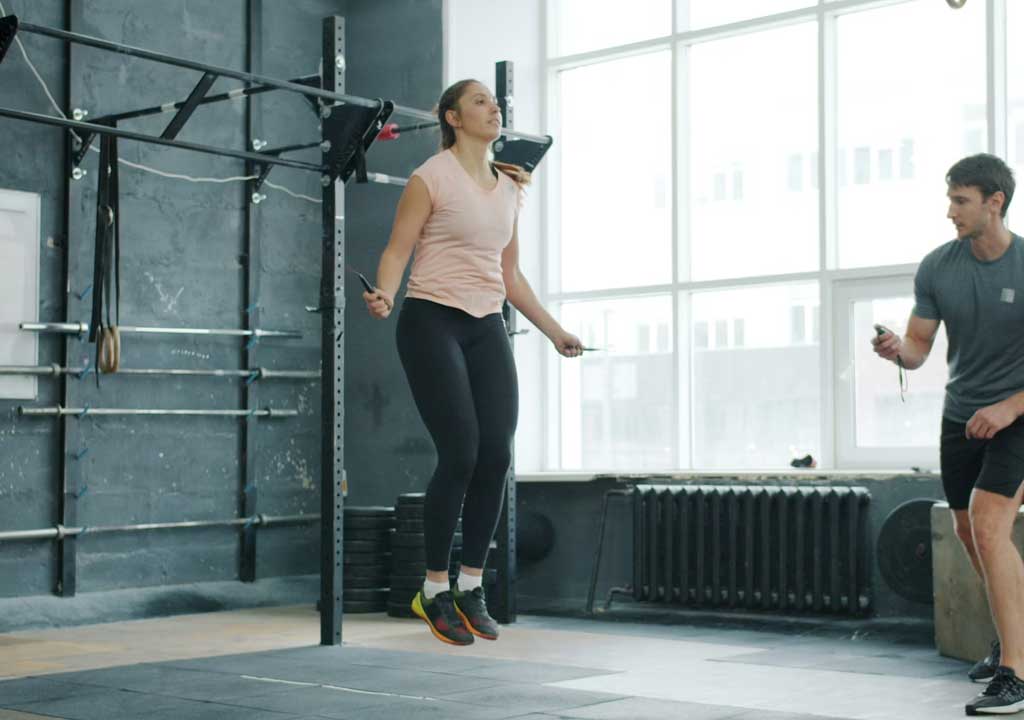
Ground contact refers to how and when your feet touch the floor during rope cycles. In beginner sessions, you might notice yourself stomping or slapping the ground after every jump. In advanced practice, you’ll aim for quick, quiet, almost ghost-like landings, with the feet springing off the floor rather than slamming into it. Why does this matter?
First, reduced ground contact time translates to faster cycle rates. When your feet strike the ground for a brief moment and rebound, your rope can turn more quickly because you’re not fighting momentum you’ve already absorbed. This is essential for higher rope speeds, double-unders, and advanced tricks where timing is everything.
Second, light footwork protects joints. The ankles, knees, and hips absorb impact each time you land. If you land with stiff knees or a heavy heel strike, the force travels up your leg, increasing fatigue and injury risk. Soft knees, a slight bend in the ankles, and landing on the balls or midfoot helps distribute impact more efficiently and preserves joint health during longer sessions.
Third, consistent ground contact improves balance and control. When you can feel the floor under your feet without overreacting, you can adjust your pace, direction, and rope speed with precision. Agility, in this context, is less about fancy foot patterns and more about the ability to connect cues from your rope to the position of your feet in real time.
Ground contact: where the foot lands
There isn’t a single perfect landing for every jumper. The best foot strike depends on your shoe, your rope tension, your ankle and calf strength, and your personal comfort. However, there are common patterns that work well for most people learning efficient jump rope footwork:
- Ball-of-foot landing: The ball of the foot makes initial contact, with a quick, springy push-off. This pattern minimizes impact and supports rapid rebound.
- Midfoot landing: The entire sole lands almost simultaneously, with a slight heel lift as you spring upward. This can be more comfortable for longer sessions or for those with transitioning from walking to jumping.
- Soft, slight knee bend: Always land with a soft knee bend to absorb shock and maintain balance. The degree of bend will vary with your height, rope speed, and jump height, but it should never feel rigid.
Heel striking is the most common pitfall for beginners because the heel typically hits the ground with more force and slows the rebound. If you catch yourself landing heel-first, shift toward a lighter center of gravity, lean slightly forward from the ankles, and encourage a shorter jump height to keep contact time minimal.
Another critical factor: ankle dorsiflexion. As you land, your ankle should be slightly flexed forward, not completely flat. This position helps you absorb impact gracefully and remain ready for the next rope cycle. If you notice your heels sinking or your feet slapping the ground, add ankle mobility work and adjust your stance so you’re landing closer to the ball of the foot or midfoot.
How to train for ankle and lower-leg elasticity
Elasticity in the lower legs comes from both strength and neuromuscular control. You should train both to improve foot speed and reduce fatigue during longer sessions. Here are some practical steps:
- Calf raises and single-leg heel raises: Build the muscular endurance needed to rebound quickly after each landing. Do 2–3 sets of 12–20 reps per leg, progressing to holding light dumbbells if appropriate.
- Eccentric loading: Step off a small stool or step and slowly lower your heel below the step level before rising. This trains you to absorb impact more effectively.
- Ankle mobility: Spend a few minutes daily on ankle circles, dorsiflexion stretches, and calf stretches to maintain a healthy range of motion.
- Plyometric micro-prints: Short, controlled hops focusing on quiet landings can help you ingrain the sensation of light contact without excessive vertical movement.
Consistency is key. A few minutes of targeted calf and ankle work a few times per week will translate into better ground contact on the rope. Pair mobility with strength for a balanced approach.
Agility in jump rope: translating foot speed into rope speed
Agility for jump rope isn’t just about being quick on your feet. It’s about translating that speed into precise, repeatable rope movements. Agility comprises several components that you can train in tandem with footwork drills:
- Foot speed on contact: A rapid, controlled plantarflexion (push off the ball of the foot) after landing supports a quick turnover of the rope.
- Your center of gravity: Maintain a slight forward lean from the ankles with a tall posture. This positioning keeps you light and ready to adjust direction or speed without losing balance.
- Rhythm and tempo: Your rope speed must match your foot speed. If you get ahead or behind the rope’s cadence, timing deteriorates quickly. Train with a metronome or a consistent cadence to build a stable rhythm.
- Directional control: Short, controlled lateral steps or small pivots can help you navigate rope swaps, circles, or turning patterns without breaking form.
Developing agility is a process of linking neural signals to muscular output. Start slow, focus on precision, then gradually increase speed while preserving form. The goal is not raw speed alone but reliable, repeatable footwork that keeps the rope turning cleanly at all speeds.
Drills to develop ground contact and agility
Drills are where the theory comes alive. Here are a series of progressions that target ground contact, knee flexion, ankle control, and quick, light footwork. They can be mixed into a warm-up or a dedicated practice session.
Line drills: small targets, big gains
Place a line (tape, chalk, or painted line on the floor) and aim to land with the ball of the foot on the line, then rebound quickly without dragging your foot past it. This forces minimal ground contact and immediate upward push.
- Two-foot line hops: quick jumps with both feet, landing on the line and springing off immediately.
- Alternating foot taps: tap the line alternately with each foot, focusing on quiet contact and balance.
- Closure drill: after each touch, return to neutral stance within 1–2 inches of the starting position.
Soft landings with rope in hand
Hold the rope loosely and practice soft landings without attempting to jump far. Concentrate on a slight knee bend, a light touch on the line of the rope, and a quick rebound. This drill trains you to stay light and in control as you increase rope speed later.
Box drill for multidirectional footwork
Set up a square or use painter’s tape to create a small box. Move around the box with small, quick steps, maintaining a relaxed upper body and staying light on the feet. This builds lateral agility and teaches you to adjust footing without losing rhythm when the rope arrives.
Shadow rope: feeling the rope underfoot
Without turning the rope, practice the rope swing with a slow, controlled tempo while focusing on footwork. Pretend the rope is there and land with a light touch, then accelerate gradually. This is a bridge drill linking footwork with rope rhythm before adding speed.
Forward and backward micro-steps
Jump rope while taking short forward or backward steps every few cycles. The objective is to keep the rope turning while your feet stay close to the ground—no big hops, just precise footwork and minimal ground contact time.
Double-unders progression
When you’re ready to tackle double-unders, practice the technique in stages: perfect the single under cadence, then perform small, controlled jumps as you bring the rope around twice per cycle. Maintain a light landing and a compact jump height to ensure the rope clears your feet quickly.
Putting it together: a 4-week progression
Once you’ve built a foundation of soft landings and light footwork, you can structure a simple 4-week progression to develop both ground contact and agility in a systematic way. The plan below assumes you can comfortably jump rope for 3–5 minutes at a time and have access to a clear practice space.
- Week 1: Foundation — Focus on soft landings, minimal ground contact, and relaxed upper body.
- 3 sessions per week, 5–7 minutes per session.
- Drills: line drill, shadow rope, and forward/backward micro-steps for 45–60 seconds each, with 30–60 seconds rest between sets.
- Goal: reduce ground contact time by 25% compared to your baseline, maintain a comfortable jump height.
- Week 2: Strength and control — Introduce light strength work for the calves and ankles, while maintaining technique.
- 3–4 sessions, 8–12 minutes each, including 2–3 minutes of calf raises in sets.
- Drills: line drills, box drill, shadow rope, and soft landings with an emphasis on quick rebounds.
- Goal: improve balance and reduce unnecessary heel striking by 15–20% during drills.
- Week 3: Agility and speed — Increase rope speed gradually while preserving form.
- 3–4 sessions, 12–15 minutes each.
- Drills: line drill, forward/backward micro-steps, and shadow rope at a faster cadence; add a metronome set to your target rhythm.
- Goal: maintain control at higher cadence, keep ground contact brief, and improve turnover consistency by 20–30%.
- Week 4: Integration — Combine all elements into a cohesive routine with short sequences of higher difficulty (e.g., faster cadence, short bursts of double-unders).
- 3–5 sessions, 15–20 minutes each.
- Drills: all drills with fewer rest breaks, incorporate short trick sequences if comfortable, and practice a cool-down stretch.
- Goal: demonstrate smoother ground contact, consistent rhythm, and reliable footwork during faster rope cycles.
Tips for the progression:
- Keep a log of your ground contact feel. Note whether landings feel soft, silent, and quick. Track improvements in cadence and the number of drills you can complete without losing form.
- Progress only when you can complete the prior level with good form. If your technique breaks, reset to a simpler drill and rebuild.
- During worked circuits, breathe steadily, exhale gently on takeoff, and avoid holding your breath, which can create tension and make footwork feel heavier.
Surface, shoes, and other equipment considerations
Your environment plays a big role in how your feet feel and perform while jump roping. The right surface and footwear can reduce fatigue and help you stay light on your feet longer.
- Surface: Soft, forgiving surfaces like a wooden floor, rubber mat, or gym floor are preferable to concrete, which can feel hard on the joints. If you train on a harder surface, consider cushioned insoles or a mat for extra protection. Avoid uneven ground that can catch your foot or cause twisted ankles.
- Shoes: Light, supportive cross-trainers or running shoes with a well-cushioned forefoot are a good choice. Look for a sole that’s not overly aggressive and a slight drop to encourage a balanced landing. Some jumpers prefer minimalist shoes for a closer feel, but ensure you have enough ankle support and a secure fit to prevent slipping during fast steps.
- Rope selection: Rope length should reach your armpit when you stand on the rope's midpoint. If you’re bending forward to reach the rope, you might have a rope that’s too long. Too short can cause constant tripping. A well-sized rope helps you maintain a clean line, making footwork easier to manage.
- Surface cues: If you’re practicing line drills or box drills, mark the area clearly to keep your footwork consistent and avoid tripping.
Warm-up, mobility, and injury prevention
Ground contact and agility work put stress on the lower legs. A short, purposeful warm-up primes the nervous system, loosens joints, and reduces injury risk. Consider this quick warm-up before each session:
- 2–3 minutes of light cardio (jump rope at a very easy pace, jog in place, or skip without rope).
- Dynamic ankle and calf mobility: ankle circles, heel-toe rocks, calf stretches, and gentle calf raises (1–2 minutes total).
- Bodyweight activation: a few sets of bodyweight squats, lunges, and glute bridges to engage the hips and glutes for better control during jumps.
- Practice rope mechanics with a slow, controlled under-hand or over-hand swing to rehearse timing before adding speed.
Post-workout recovery is equally important. Gentle static stretching for calves, hamstrings, and hip flexors, followed by a light cooldown jog or walk, can help reduce muscle stiffness and improve next-session performance. Hydration and adequate sleep are crucial for neural and muscular recovery, especially when training agility and footwork progressively.
Common mistakes and how to fix them
Even experienced jumpers fall into subtle traps that hamper ground contact and agility. Here are common issues and practical fixes:
- Landing too hard or heel-first: Focus on a soft landing, bending the knees slightly more and shifting weight toward the midfoot or forefoot. Visualize “soft feet” and practice on a line or mark to reinforce the cue.
- Too much vertical jump: If you’re jumping higher than needed, scale back to a smaller ground clearance. The goal is speed and control, not height. Keep jumps low and limit vertical excursion.
- Overstriding or wide stances: Narrow your stance, keep feet under your hips, and practice light, quick adjustments rather than large steps.
- Tension in the upper body: Relax shoulders, keep the elbows close to the torso, and let wrists rotate the rope. Tension in the torso or arms disrupts timing and slows footwork.
- Inconsistent cadence: Use a metronome or a simple rhythm (counting or tapping) to keep a steady tempo. Increase tempo gradually as your form improves.
- Rope tangling with direction changes: Practice directional drills slowly, focusing on keeping rope paths clean and feet landing predictably. The rope should pass under your feet with minimal effort from the wrists and forearms.
Footwork cues and coaching tips
Sometimes a simple cue can make a big difference. Here are some practical tips you can use during practice:
- “Quiet feet”: Aim to land softly and barely let your feet touch down. Think of your feet as feather-light and barely grazing the surface.
- “Efficient turnover”: Focus on a quick, compact push-off from the ball of the foot and a smooth reset to prepare for the next cycle.
- “Stay centered”: Maintain a slight forward lean from the ankles, with the head aligned over the spine and the chest open. Avoid leaning excessively at the waist and losing form.
- “Small, controlled steps”: Mini steps help you stay balanced at higher speeds and prevent over-striding during fast sequences.
Putting it into a practice routine
A well-rounded routine balances drills, cadence work, and rope-specific practice. Here’s a practical daily routine you can adapt to your schedule:
- 5–7 minutes: light cardio + dynamic warm-up, including ankle mobility and calf activation.
- 3–5 minutes: line drills focusing on soft landings and quick rebound.
- 2–4 minutes: box drills and lateral short-step work to build multidirectional agility.
- 2–4 minutes: rhythmic jump rope at a comfortable cadence to cement timing.
- 1–2 minutes: high-cadence drills or slower double-under practice if applicable.
- 5 minutes: cool-down with calf and hamstring stretches, plus a light walk to normalize heart rate.
Over time, you’ll notice how improvements in ground contact translate to more consistent rope turns, fewer trips, and better endurance. The aim is sustainable progress: smaller steps with higher quality beats, rather than chasing speed at the expense of technique.
Accessibility: customizing for different levels
Footwork improvements are accessible to a wide range of ages and abilities. Here are some adjustments you can make based on your level of experience:
- Beginner: Prioritize soft landings, a stable stance, and 1–2 minutes of single-under practice interspersed with rest. Use line drills to build a tactile sense of ground contact.
- Intermediate: Increase rope speed gradually, introduce forward/backward steps, and incorporate short sequences of single-leg hops for balance training.
- Advanced: Add mixed cadence sequences, high-speed line drills, and controlled double-unders with a focus on maintaining a precise, repeatable rhythm.
Safety considerations
Footwork drills can be stimulating to the nervous system, so progress gradually and listen to your body. If you experience sharp pain, especially in the ankle or knee, pause and reassess your technique, footwear, and surface. Seek professional guidance if pain persists. Hydration, rest, and proper warm-up are all part of a safe training plan.
Sample weekly plan (short-form)
For those who want a quick, actionable plan, here’s a compact weekly framework focusing on ground contact and agility:
- Monday: Foundational drills (line drills, soft landings) + 5 minutes of calf activation.
- Wednesday: Agility day (box drills, forward/backward micro-steps) + 2 minutes of tempo rope work.
- Friday: Cadence day (rhythmic rope work with a metronome) + basic double-unders if comfortable.
- Sunday: Mobility day (ankle mobility, calf flexibility) + light jump rope for maintenance.
Adjust the duration to your fitness level and the time you have available. The key is consistency and deliberate attention to how your feet contact the ground and how quickly you rebound.
Frequently asked questions
Here are quick clarifications that often help people fine-tune their footwork and ground contact:
- Q: Should I jump only on the balls of my feet?
- A: Jumping on the ball of the foot is a common goal for efficient rope turnover, but what matters most is a soft landing and a quick rebound. Some people land midfoot, especially when starting out. Focus on the sensation of light contact rather than a fixed landing pattern.
- Q: How can I tell if my ground contact is too long?
- A: If you can count the time from foot strike to takeoff in your head or if your feet feel heavy, you’ve likely got longer ground contact. Work on softer landings, shorter hops, and faster rebounds, then re-test after focusing on technique for a few minutes.
- Q: Do I need to wear special shoes for jump rope?
- A: Not necessarily. Shoes with a light, flexible forefoot and good cushioning work well. Comfort and stability are more important than fashion. If you’re new, choose shoes that support your ankles and feel responsive during quick footwork.
- Q: Can I train barefoot?
- A: Some athletes train barefoot on soft surfaces to improve foot proprioception, but only if you have a stable surface and no history of foot or ankle injuries. Start on a forgiving surface and gradually reintroduce shoes if you experience any discomfort.
Closing thoughts
Footwork and ground contact aren’t glamorous visuals in the world of jump rope, but they are the pillars that support speed, efficiency, and longevity in your practice. By prioritizing soft landings, quick rebounds, and controlled footwork, you create a foundation that makes every rope turn smoother and more precise. Ground contact isn’t just about avoiding fatigue; it’s about cultivating a rhythmic, resilient body that can adapt to complex moves, varying rope speeds, and longer training sessions without breaking form.
As with any skill, the most important steps are the simplest: start with quiet feet, smile at the small improvements, and gradually push your cadence and complexity as your body confirms the technique. If you stay patient and consistent, you’ll notice a tangible shift in how your feet feel and how your rope behaves—a more agile, responsive, and efficient you on the mat, floor, or any place you practice your jump rope.
LIKED THIS ARTICLE? SHARE IT: