




















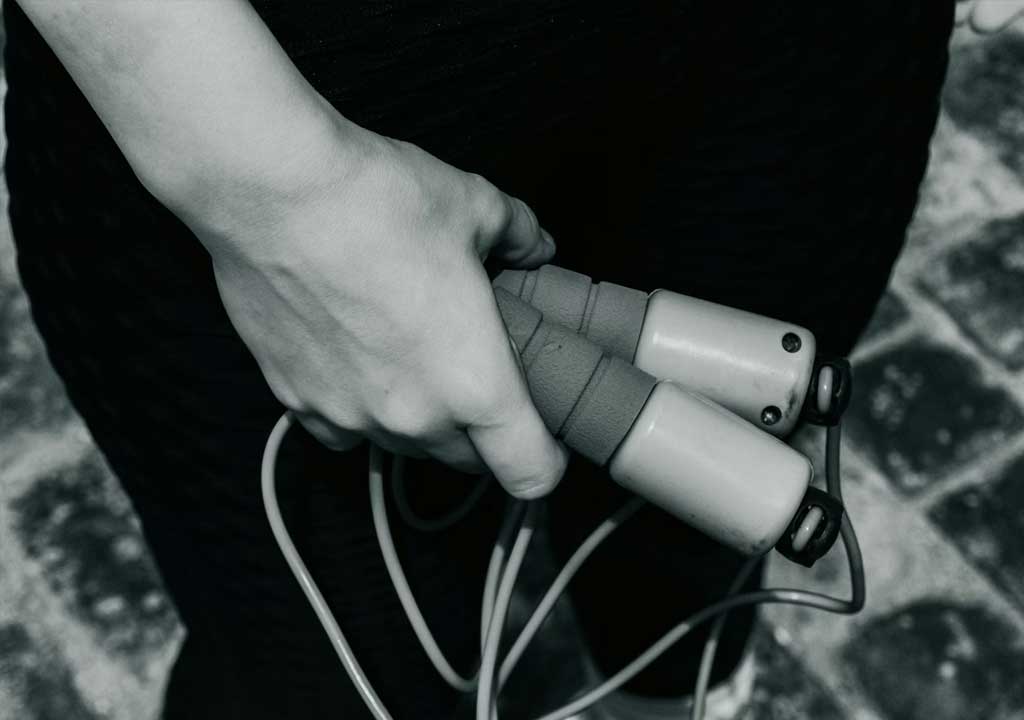
Drills for Consistent Jump Rope Pace: Tempo, Breath, and Form

Drills for Consistent Jump Rope Pace: Tempo, Breath, and Form
Consistency is the secret ingredient behind every great jump rope routine. It’s not just about how fast you can turn the rope, but how reliably you can maintain a steady cadence, synchronize your breathing, and keep your body aligned as fatigue builds. When tempo, breath, and form work in harmony, you’ll elicit smoother rope rotations, reduce missteps, and extend your workout duration with less effort. This article offers practical drills focused on three pillars—tempo, breath, and form—that will help you lock in a consistent pace. Each drill is beginner-friendly yet scalable for advanced athletes, and they can be performed with just a rope or even with no rope to practice rhythm. You’ll find a clear progression so you can track progress week by week and feel your pace becoming more stable and efficient.
Understanding Pace: Tempo, Breath, and Form
Before diving into drills, it helps to define what “pace” means in jump rope training. Tempo is the cadence—the timing of your rope turns in relation to your foot strikes. A steady tempo minimizes spikes in effort and reduces the likelihood of tripping. Breath is how you supply oxygen, regulate intensity, and stay relaxed. Efficient breathing protects your core from fatigue and keeps your ribcage mobile so your movements don’t stiffen. Form is the mechanism that translates tempo and breath into a smooth, repeatable motion: stable elbow position, compact wrist turns, light foot contacts, and minimal wasted movement. When you train tempo, breath, and form together, you create a self-reinforcing loop: steady tempo helps you control breath; controlled breath supports stable form; stable form makes maintaining tempo easier, and so on.
Drills for Tempo: Building a Steady Rhythm
Tempo drills focus on your internal clock—learning to feel and hold a rhythm that your body can repeat without overthinking. Start with slow, controlled paces and gradually increase as your coordination improves. The goal is to internalize a cadence that you can tap into consistently, even when tired.
Drill 1: Metronome Single-Unders
What it trains: Audible pacing cues to establish a baseline cadence and reduce guesswork.
How to perform:
- Set a metronome to a comfortable starting tempo, such as 90 beats per minute (BPM).
- Hold the rope with elbows close to the sides and wrists doing most of the turning. Jump rope at a light, gentle bounce so your foot strikes are brief and quiet, aligning with the metronome’s beats.
- Count or feel the rhythm: each beat corresponds to a rope rotation and a foot landing. If two beats occur before you complete a turn, adjust to a slightly slower tempo.
- Continue for 60 seconds, then rest 30–60 seconds. Repeat for 4–6 sets, increasing tempo by 5–10 BPM if you can maintain form.
Tips: Use a comfortable pace first; striving for a tempo that’s too fast too soon often ruins form. The metronome is a scaffolding—you’ll gradually wean off it as you internalize the rhythm.
Drill 2: Cadence Blocks
What it trains: Short bursts at specific cadences to improve control and transitions between paces.
How to perform:
- Choose three cadences: a easy, a medium, and a fast pace within your capability (for example, 80, 100, and 120 BPM).
- Perform 20–30 seconds at the first cadence, take a 15-second rest, then move to the second cadence for 20–30 seconds, followed by another 15-second rest, and finish with the third cadence for 20–30 seconds.
- Repeat the sequence 2–3 times, aiming to keep body alignment constant as you transition between cadences.
Tips: The rests are essential—use them to reset your posture and breath. If you feel your form deteriorating at a cadence, drop back to the previous tempo and rebuild.
Drill 3: Tempo Ladder
What it trains: Gradual tempo escalation that builds confidence and neuromuscular adaptation.
How to perform:
- Pick a starting tempo (e.g., 80 BPM) and a top tempo you want to reach (e.g., 120 BPM).
- Jump 30 seconds at each step, advancing to the next tempo after completing the 30-second block and taking a 15–20 second break to reset posture and breath.
- Continue climbing the ladder up to the top tempo, then reverse back down to the start tempo to reinforce control and recovery at lower cadences.
Tips: Use a handful of steps (e.g., increments of 5–10 BPM). If a rung feels off, pause, breathe, and either stay at that tempo for another round or drop down a rung to rebuild.
Drill 4: Freeze-Release Rhythm
What it trains: Neural cadence retention under micro-interruptions, simulating real workouts where you may need to reset mid-set.
How to perform:
- Turn on a comfortable cadence. On command (you or a coach can call out), freeze the rope for one full rotation, maintain posture, and count 2–3 seconds in your head, then resume turning at the same tempo.
- Repeat 6–8 times per set. Do 3–4 sets total with short rests in between.
Tips: The “freeze” should be controlled and subtle—not a full stoppage that breaks rhythm decisively. The goal is to learn how quickly you can re-engage the same cadence after a brief pause.
Drills for Breath: Breathing with the Beat
Breath is the engine behind your pace. When you sync breath with the rope’s rhythm, you’re less likely to pant, tense up, or stagger. The aim is to build breathing patterns that feel natural at your target tempo and that help you stay relaxed during longer sessions.
Drill 1: Breath-to-Beat Synchronization
What it trains: A simple, reliable breathing pattern that aligns with your cadence.
How to perform:
- Pick a tempo and count a small phrase that matches the rhythm, such as “inhale on the first two beats, exhale on the next two.”
- As you jump, maintain a steady inhale every two rope turns and a steady exhale on the next two turns. Use nasal breathing if comfortable; switch to mouth breathing only if nasal breathing feels restrictive at the chosen tempo.
- Continue for 60–90 seconds, then take a longer rest. Repeat for 4 sets.
Tips: If you feel short of breath, slow the tempo slightly to re-center your breathing cycle. Breath control thrives on consistency, not depth alone.
Drill 2: Box Breathing for Jump Rope
What it trains: Calm, controlled breathing in a structured pattern to blunt fatigue.
How to perform:
- Adopt a comfortable posture and close your eyes briefly if possible.
- Inhale for 4 counts, hold for 4 counts, exhale for 4 counts, hold for 4 counts.
- Continue the box pattern for a full 60 seconds at a steady pace, then perform 2–3 more rounds with short breaks to reset posture and focus.
Tips: Box breathing can feel awkward at higher cadences. Start at a lower tempo, master the pattern, then gradually introduce tempo increases as your breath control improves.
Drill 3: Exhale with Flight Phase
What it trains: Efficient exhalation timed with the jump’s flight phase to keep core tension low.
How to perform:
- As you approach the top of the flight and your feet leave the ground, begin a light exhale through the mouth or nose (whatever feels most comfortable).
- Inhale softly as you land and begin the next rotation.
- Practice for 2 sets of 45–60 seconds at a comfortable tempo, ensuring your exhale doesn’t disrupt your jump height or rhythm.
Tips: Don’t force a loud exhale. The goal is a relaxed, continuous breath cycle that supports your cadence rather than fighting it.
Drill 4: Nasal vs. Oral Breathing Progression
What it trains: Adaptability in breathing strategy to accommodate tempo changes without losing rhythm.
How to perform:
- Start with nasal breathing at a slow tempo for 30–60 seconds.
- Gradually switch to mouth breathing as tempo rises, keeping the same cadence and jump height.
- Return to nasal breathing at a comfortable lower tempo to reset the system.
Tips: Nasal breathing is often more restrictive; use it as a control tool rather than a constraint. The goal is to maintain a smooth, sustainable breath pattern across tempos.
Drills for Form: Building a Solid Technical Foundation
Form is the chassis that supports tempo and breath. Clean, efficient mechanics reduce energy drain and help you sustain a steady pace for longer. The following drills reinforce key form elements: rope length, wrist-driven turns, elbow alignment, minimal knee bend, light landings, and a compact, efficient jump. Start with a few minutes of form-focused practice, then blend in tempo and breath drills as you progress.
Drill 1: Rope Length Check and Setup
What it trains: The rope should skim the ground by a few inches for a comfortable, quick turn; length affects control and cadence.
How to perform:
- Stand on the rope with both feet together and pull the handles upward so the rope rests behind your heels and just touches the ground in front.
- Adjust length so that a slight bend in the wrists raises the rope to hip or chest height when you stand upright. Tip: If you’re constantly double-unders or tripping, re-check length.
- Practice a few slow practice jumps to confirm clearance, then progress to your target tempo with this length.
Tips: Rope length should feel natural, not forced. If you’re tall or short, you might need to adjust length slightly to maintain a quick, light bounce rather than a dramatic knee bend.
Drill 2: Wrist-Driven Turns
What it trains: The wrist does most of the rope turning, keeping the shoulders relaxed and the arms compact.
How to perform:
- Hold the handles near hip height with elbows tucked in. Focus on rotating the rope from the wrists, not from the elbows or shoulders.
- Keep the forearms relatively still while the wrists perform a small, controlled circular motion to create rope rotations.
- Perform 60 seconds of rope turns at a comfortable tempo, then rest. Increase tempo slowly as you maintain the same wrist-driven action.
Tips: If you feel your shoulders tensing, release tension, drop the tempo a bit, and emphasize wrist motion again. The aim is a light, reactive motion, not a forceful swing.
Drill 3: Elbow Alignment and Posture
What it trains: A stable platform for the rope, reducing wasted energy and keeping cadence consistent.
How to perform:
- Keep elbows close to the ribs and maintain a neutral spine. Visualize a straight line from the crown of the head through to the hips.
- Practice a soft knee bend and a slight forward lean from the ankles rather than a knee-dominant motion.
- Run 3–4 sets of 30–60 seconds focusing on maintaining alignment at every tempo you practice.
Tips: If you notice your hips twisting or your back rounding, slow down and reset. Core engagement helps maintain stable posture during higher cadences.
Drill 4: Light Ground Contact and Jump Height
What it trains: Efficient landing mechanics to conserve energy and sustain a steady pace.
How to perform:
- Jump with a very light touch off the ground—think “minihop” rather than a full plyometric jump.
- Keep the jump height minimal, just enough to clear the rope by a few inches.
- Work through 60–90 seconds at your chosen tempo, ensuring your feet contact the ground softly and evenly.
Tips: The goal is to minimize impact and bounce, which helps you preserve energy for longer intervals and maintain a consistent tempo.
Drill 5: Shadow Jumping (No Rope) for Form Reinforcement
What it trains: Timing and rhythm without the distraction of the rope, translating into smoother rope control later.
How to perform:
- Without a rope, simulate the turning motion with your wrists and a tiny jump as if you’re clearing an imaginary rope.
- Keep your elbows in, wrists light, and posture tall while practicing the same tempo you plan to use with a rope.
- Gradually reintroduce the rope and apply the same cadence to your turns.
Tips: Shadow jumping is excellent when you’re learning new tempos or troubleshooting form. It isolates rhythm from rope management, allowing you to train both sides of the equation effectively.
Putting It All Together: A Practical 4-Week Plan
Consistency comes from structure. The following 4-week plan blends tempo, breath, and form drills into a progressive schedule. Adjust volumes to fit your fitness level, injuries, and time constraints. The plan assumes you practice 4–5 days a week with 20–40 minutes per session.
Week 1: Establish Baseline Rhythm
- Tempo: Metronome Single-Unders at a comfortable tempo (start around 80–90 BPM). 4 sets of 60 seconds, with 30 seconds rest.
- Breath: Breath-to-Beat Synchronization during every drill. Use a nasal inhale and mouth exhale if needed.
- Form: Rope length check, wrist-driven turns, safe ground contact.
Week 2: Introduce Cadence Variations
- Tempo: Cadence Blocks at 80, 100, and 120 BPM. 2 rounds of 20–30 seconds per tempo with 15-second rests between blocks, 3 rounds total.
- Breath: Box breathing in the rest periods and during low-tempo blocks.
- Form: Maintain elbow alignment and light landings; focus on consistent jump height.
Week 3: Build Endurance and Fine-Tune
- Tempo: Tempo Ladder from 80 to 120 BPM and back down, 4–5 rungs. 30 seconds per rung, 15 seconds rest.
- Breath: Exhale-on-flight phase technique during each rung.
- Form: Shadow Jumping on alternate days to reinforce rhythm, without rope, then reintroduce rope at the same tempo.
Week 4: Integrate and Solidify
- Tempo: Freeze-Release Rhythm integrated into a normal session. 6–8 reps per set, 3 sets, with 20–30 seconds rest.
- Breath: Full Box Breathing progression during rests, ensuring your heart rate returns to a calm baseline before the next block.
- Form: Full routine with rope at target tempo, ensuring stable posture, wrist-driven turns, light landings, and minimal wasteful motion.
At the end of Week 4, you should be able to select a comfortable, sustainable tempo and hold it for longer bouts while breathing calmly and maintaining clean form. You can then choose to accelerate the plan, repeat the four-week cycle with higher tempos, or add longer endurance blocks as your preference and capacity grow.
Common Mistakes and How to Fix Them
Even with well-designed drills, you may run into issues. Here are common problems and practical fixes to help you stay on pace.
- Rope too long or too short: Revisit your rope length. A rope that’s too long encourages wilting shoulders and higher jump heights, which can disrupt tempo. Adjust length and re-test.
- Over-rotation of the arms: If you feel your shoulders tiring or the rope whipping from the elbows, shift to wrist-driven turns and keep elbows tucked in to restore cadence.
- Holding your breath: Use breath-to-beat strategies and box breathing during rests. If you feel chest tightness, slow down the tempo and reset.
- Falling out of rhythm after fatigue: Apply Freeze-Release Rhythm and shadow jumping as fatigue-resilience drills. Short, controlled bursts build durability.
- Inconsistent landings: Emphasize light, quiet landings with minimal knee bend. A softer landing reduces energy costs and helps sustain tempo longer.
Equipment and Environment Tips
While drills focus on the mind and body, the right gear and environment support your progress:
- Plenty of space: Jump rope work requires space to avoid hitting walls or furniture. A clear area about 6–8 feet square is ideal for most people.
- Quality rope: A lightweight, handle-balanced rope that spins smoothly reduces drag and helps you find a clean rhythm more quickly.
- Supported surface: A flat, slightly forgiving surface like a cushioned gym floor or a mat helps with soft landings and reduces fatigue in knees and ankles.
- Comfortable clothing: Wear comfortable athletic wear with flexible fabrics that don’t constrain movement. Barefoot or flat-soled shoes both work; choose what feels best for you.
Closing Thoughts: The Mindful Path to a Consistent Pace
A consistent jump rope pace isn’t an innate gift; it’s a cultivated skill built from deliberate practice. By integrating tempo, breath, and form drills, you train not just your legs and wrists but your nervous system to respond with predictable timing under pressure. The drills above aren’t tricks to beat fatigue; they’re training tools that teach your body to respond to cadence, oxygen demands, and movement efficiency with accuracy and control.
As you practice, take notes on what works for you. Keep a simple log: tempo you held, your breathing pattern, any form cues you adjusted, and how long you could maintain the cadence before needing a rest. With consistent logging, you’ll notice patterns: certain cadences that feel easy, others that require more focus, and how your breath and form adapt as you push your limits.
If you’re new to jump rope, start slow. The goal is to build a durable tempo, stable breath, and solid form without chasing speed at the expense of technique. If you’re an experienced jumper, these drills can help you shave seconds off transitions, improve endurance, and refine technique that translates to other cardio and plyometric work.
Finally, remember that progress isn’t always linear. You might have days where tempo feels tuned and days where your balance feels a little off. That’s normal. Use the drills as your toolkit to recalibrate, reset your breath, and reestablish your rhythm. With a structured approach that honors tempo, breath, and form, you’ll find your jump rope pace becoming more consistent, more efficient, and more enjoyable with every session.
LIKED THIS ARTICLE? SHARE IT: