
















The Power of Practice Pods: Creating Community in Jump Rope

The Power of Practice Pods: Creating Community in Jump Rope
Jump rope has long lived as a solo test of rhythm, endurance, and precision. But in recent years, communities of practice—small, intentional groups that train, reflect, and grow together—have transformed how we learn and sustain skill in the sport. Practice pods are the heart of that shift. They turn what could be a solitary grind into a social, supportive, and accountable culture where variety, fun, and progress coexist. Whether you’re a coach, a parent, a teacher, or a dedicated jumper looking to deepen your craft, pods offer a scalable, human approach to improvement that amplifies motivation, reduces burnout, and spreads inclusive joy across generations. This article explores the power of practice pods, how to design and sustain them, and the kind of community you can build when jump rope becomes both a skill and a shared practice.
What is a Practice Pod?
A practice pod is a small, defined group of jump rope enthusiasts who meet regularly to train, troubleshoot, encourage, and celebrate each other’s progress. Pods are not camps or clinics; they’re intimate ecosystems where each member contributes to the group’s learning dynamics. Pods emphasize consistent practice, short-term and long-term goals, peer feedback, and a culture of curiosity. They can be formed around a neighborhood, a school, a community center, or an online platform, and they can accommodate a wide range of ages and skill levels. The core idea is simple: a few committed people, a clear plan, and a structure that makes practice predictable, enjoyable, and productive.
Pods can be data-driven (tracking times, reps, patterns), mentorship-driven (pairing newer jumpers with more experienced ones), or project-driven (focusing on a particular skill set like crossovers or double-unders). The exact flavor is up to you, but the throughline is consistent: growth happens faster when practice is social, reflective, and well organized.
Why Pods Work: The Science and the Spirit
There’s a well-documented human truth behind practice pods: people learn faster in communities where feedback is immediate, expectations are clear, and progress is visible. Social learning theory suggests that observation, imitation, and modeling play a central role in skill acquisition. When pod members watch, ask questions, and offer constructive critique, they create a living learning environment. Plus, the social glue—shared goals, rituals, and accountability—reduces the friction that often dampens practice, such as procrastination, boredom, or feeling isolated.
Beyond the mechanics of learning, pods deliver emotional and motivational benefits. Training alongside peers who cheer for your wins and sympathize with your plateaus generates resilience. Pods also democratize access to coaching: you don’t need a paid clinician or a fancy facility to receive high-quality feedback. A well-led pod can democratize technique, rhythm, and confidence through peer-to-peer coaching, structured prompts from a facilitator, and a culture that normalizes asking for help.
Designing Your Pod: Size, Structure, and Roles
Design matters. Start with a realistic size—often three to eight participants works best. Three is intimate and easy to manage; eight offers diversity of pace and experience without becoming chaotic. Consider a tiered structure where two pods share a pool of rotating mentors or coaches. The simplest configuration is a rotating facilitator (a person responsible for leading sessions, planning activities, and keeping the group on track) with a set of volunteers who handle equipment, warm-ups, or progress tracking.
Roles help maintain continuity. A facilitator can plan weekly or biweekly sessions, an equipment lead ensures ropes, mats, and timers are ready, a progress captain tracks goals and metrics, and a culture steward helps maintain a positive, inclusive vibe. Rotating roles prevent burnout and build leadership skills across the group. Clarity around expectations—arrival time, rule-set, etiquette, and safety—reduces friction and makes meetings more productive.
Location, Schedule, and Commitment: Finding Rhythm That Fits Real Life
Pods thrive when their schedule aligns with members’ actual lives. This means flexible but predictable cadence. Options include: a weekly one-hour session after school, a biweekly two-hour practice block, or a 30-minute night “micro-practice” twice a week paired with a longer weekend session. When you schedule, consider seasonality (sports seasons, exams, holidays) and the time needed for warm-ups, skill work, and cool-downs. A shared calendar, weekly reminders, and a short pre-session checklist keep everyone aligned without becoming a burden.
Location matters, too. A gym, a school gymnasium, a park with a hard surface, or a community center can all work. The key is a safe surface, enough space for rope lines, and a quiet corner for demonstrations and feedback. If live space is limited, you can combine an in-person practice with virtual check-ins to discuss video clips, drills, and reflections. The “hybrid” pod—some in person and some remote—has grown in popularity and maintains the social connection while expanding access.
Warm-Ups, Safety, and Injury Prevention
Every pod should begin with a safety and mobility routine tailored to jump rope. Light cardio (jogging in place, jumping jacks), dynamic stretches (ankle and hip circles, leg swings), and joint mobility (wrists, shoulders, ankles) prime the body for rope work. A brief safety briefing—proper rope length, footwear, surface, and a reminder to stop if pain appears—fosters a culture of care. Emphasize that rest is a skill and that pacing is a feature, not a flaw. A well-paced warm-up reduces fatigue, lowers injury risk, and keeps sessions enjoyable for everyone.
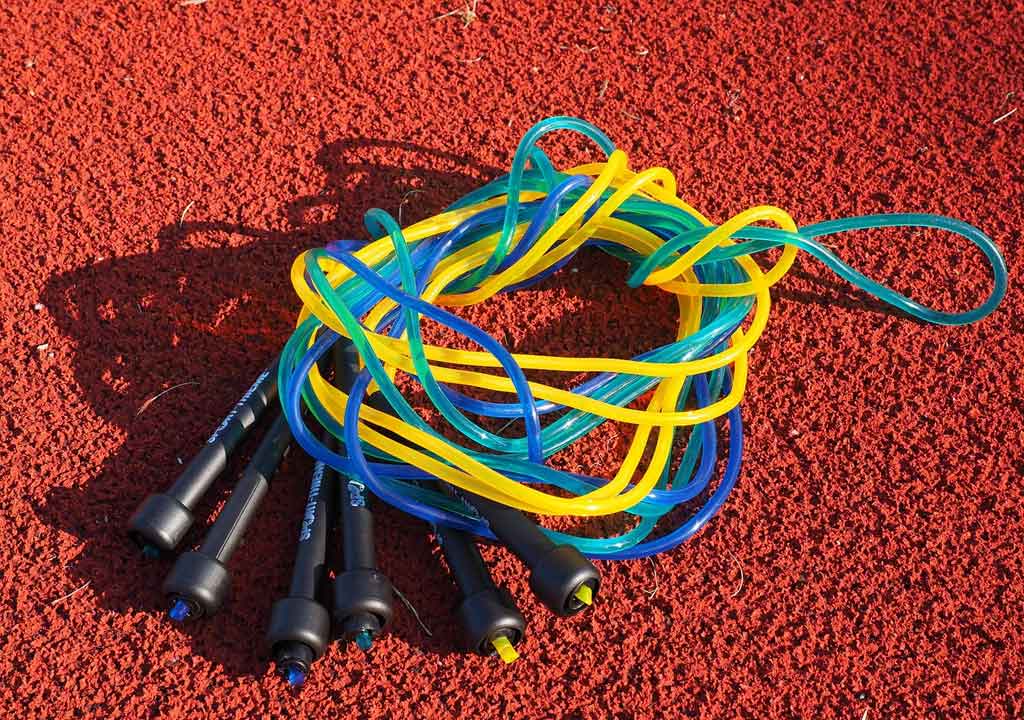
Equipment is a safety issue as well. Ropes should be appropriate for the jumper’s height, with handles comfortable to hold and not snagging clothing. A few spares should be available for rope tangles or a quick rope swap. Mats or marked lines on the floor can define lanes, which helps with organization, especially in groups with mixed speeds and skill levels. Finally, establish a simple first-aid protocol and accessibility plan: who to contact, where to put a phone, and how to respond if someone experiences a sudden issue during practice.
Activities That Build Skills and Connection
Pods thrive on a balanced mix of skill drills, partnered practice, and performance-oriented challenges. A typical session might include five components: a short warm-up, a skill drill focused on a chosen technique, a paired or small-group practice exercise, a short performance or routine run-through, and a reflective debrief. The key is variety and progression, not repetition for its own sake.
Skill drills might target footwork, crossovers, alternating foot patterns, speed work, or timing with playlist cues. Make drills modular so you can adjust difficulty by altering speed, rope length, or the number of reps. For example, a crossover ladder can be scaled by starting with slow, controlled crosses and gradually increasing speed while maintaining form. A “pattern of the week” gives pods something concrete to tackle, then they share video clips or live demonstrations to compare technique and celebrate breakthroughs.
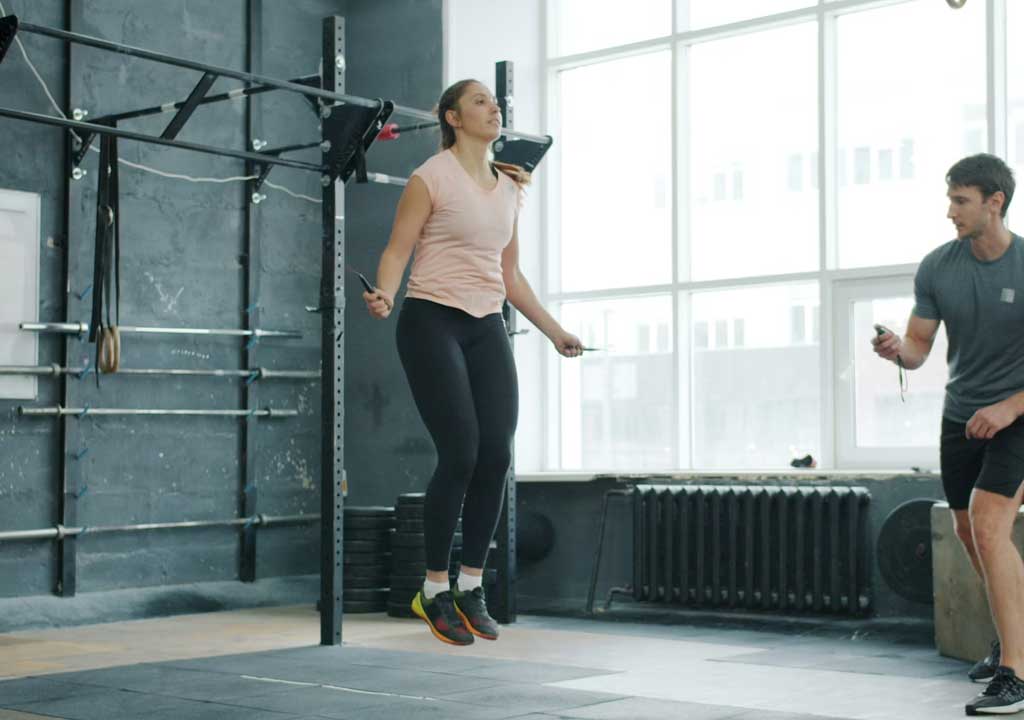
In paired practice, participants learn from each other. A more experienced jumper can demonstrate a sequence, while a newer jumper offers feedback on rhythm and timing. This reciprocity builds empathy and strengthens communication. Short, low-pressure showcases—where each member performs a brief routine for the group—tighten group cohesion and create a friendly competitive edge. The aim is not to outshine others but to lift the group through shared performance and feedback.
Building a Culture of Progress and Reflection
Progress in a pod is visible, not only to the eye but to the mind. Include a simple progress tracking system: a weekly log of reps, duration, new skills attempted, and a short reflection on what worked and what didn’t. This can be as low-tech as a shared notebook or as polished as a digital form or spreadsheet. The practice of recording inputs and outcomes—timings, reps, skill mastery, and confidence level—creates actionable data and a narrative of growth that is empowering for every member.
Reflection prompts can be embedded into the session wrap-up. Questions like “What was the most surprising moment this week?” or “Which cue helped most with a complex skill?” invite introspection and peer learning. Over time, pods develop a shared language: terms, cues, and preferred methods that make feedback more precise and more accessible to newcomers. The result is an environment where improvements are collaborative achievements rather than solitary wins.
Inclusivity and Accessibility: Making Jump Rope a Welcoming Practice
A core strength of practice pods is their potential to be inclusive spaces. Inclusivity means designing sessions that accommodate diverse ages, sizes, abilities, and backgrounds. You can achieve this by offering parallel tracks within the same pod—for example, a “fundamentals” track for beginners, a “challenge” track for more advanced jumpers, and a “community hour” where everyone shares progress and social connections. Equipment options, like lighter ropes for beginners or adjustable-height handles for shorter players, reduce barriers to participation.
Language matters. Use encouraging, specific, and non-judgmental cues. Normalize mistakes as a natural part of learning, and celebrate incremental gains as loudly as you celebrate big milestones. Create a buddy system that pairs newer jumpers with seasoned peers who can model technique, provide feedback, and help keep motivation high. Finally, consider accessibility needs—quiet spaces for reflection, seating for warm-ups if someone has mobility limitations, and transport options to and from practice if possible. When pods deliberately address accessibility, more people can experience the joy of jump rope and the belonging that comes with practice groups.
Leadership, Coaching, and the Role of Mentors
Effective pods balance peer-to-peer learning with guided coaching. A facilitator often serves as the “anchor”—keeping sessions on track, ensuring safety, and guiding the learning process. Mentors or coaches in the pod provide technical expertise, help set goals, and model best practices for feedback. The best pods rotate leadership so that different voices shape the group’s culture and approach. Leadership rotation also builds resilience within the group, ensuring continuity if a single person is unavailable.
Mentorship in this context is not a pipeline to chess-like mastery; it’s a reciprocal relationship where both mentor and mentee gain. The mentor reinforces their own understanding by teaching others, and the mentee benefits from guided, formative feedback. Foster a feedback culture that emphasizes kindness, clarity, and specificity. Replace vague praise or harsh judgments with descriptive observations (for example, “your timing is improving” or “try relaxing your shoulders for smoother crosses”). This approach preserves dignity while accelerating growth.
Community Impact: Social Bonds, Confidence, and Life Skills
Pods extend beyond rope training. The social bonds formed in practice translate into confidence, perseverance, and teamwork in other areas of life. Members learn to set goals, manage time, communicate effectively, and collaborate toward shared outcomes. The social safety net created by regular, supportive gatherings is powerful: it reduces the sense of isolation that often comes with solitary practice and competition. In many communities, pods become a gateway to broader engagement, including local events, community performances, and youth leadership opportunities.
As pods mature, they can contribute to service or outreach. For example, a pod could perform at a local festival to raise funds for a community program, host an open practice for newcomers, or mentor younger jumpers in after-school programs. These activities reinforce the idea that practice is not a private ritual but a public, positive force. When pods model generosity and shared purpose, they multiply their impact and inspire others to start their own groups.
Measuring Growth: Metrics That Matter
Measurement should be practical and aligned with the pod’s goals. A few useful metrics include: time-to-readiness for a new skill (how quickly a member demonstrates a given technique with acceptable form), consistency (how many sessions per month each member attends), improvement in technique quality (assessed by a simple rubric with cues like posture, timing, and control), and personal milestone achievement (such as a personal best duration or a new skill). Beyond numbers, track qualitative indicators: confidence, willingness to give and receive feedback, and the quality of peer interactions.
It’s important to avoid turning pods into zero-sum competitions or which-wins-the-most metrics. The aim is to illuminate learning, celebrate effort, and adjust practice design to address gaps. A monthly reflection sheet can pair with a quick skill assessment, providing a balanced view of both progress and areas for future focus. Remember that progress is not a straight line; pods thrive when members support one another through plateaus and plateaus are reframed as opportunities to revisit fundamentals and re-ignite motivation.
Case Studies: Imagined Scenarios of Practice Pods in Action
Pod A, “Rising Rhythms,” formed at a middle school with eight members ranging from beginners to advanced. They met twice weekly after school in the gym. In the first month, they introduced a four-step progress plan: learn the stance and rope length, master basic two-foot jump, add a simple cross, and perform a 30-second routine. The facilitator used a “pattern of the week” approach, rotating among walk-through demonstrations, student-led clinics, and video reviews. By month three, several members could string together a cohesive 45-second routine with clean crossings and stable landing. The group expanded outreach by inviting neighboring students to watch and try a mini-clinic, cultivating new interest and a sense of belonging for the entire school community.
Pod B, “Crossroads of Confidence,” operated in a community center with a mixed-age group (ages 8–26). They prioritized accessibility, offering a beginner track and an adaptive track for participants with mobility challenges. Their mentors explicitly defined language cues and created tactile markers on the gym floor to guide footwork. The pod hosted quarterly demonstrations at a local library, inviting families to celebrate progress and learn about jump rope safety. The inclusive design fostered a culture where senior members mentored newer ones, and everyone had a chance to lead a segment of the session. The result was a sustainable model that balanced skill growth with community service and outreach.
Overcoming Common Challenges
Pods are powerful, but they’re not free from friction. Common challenges include scheduling conflicts, uneven skill distribution, and leadership fatigue. A practical approach to these issues includes: establishing a rotating schedule that prevents burnout; intentionally pairing beginners with experienced members to balance pace; and creating a clear, shared handbook that outlines rules, norms, and progression paths. When conflicts arise, address them promptly with a structured process: acknowledge the issue, gather perspectives, identify options, and agree on a concrete next step. A culture of transparent communication prevents minor disagreements from spiraling and preserves trust within the group.
Another challenge is maintaining momentum, especially if participants have competing responsibilities. Combating this requires intentional “on-ramp” pathways for new members and short-term, visible goals that deliver quick wins. A 6-week pilot program with a defined outcome—such as performing a short routine at a community event—creates a tangible objective that energizes the group and helps new members feel they are contributing from day one.
Launching a Pod: A Step-by-Step Starter Plan
If you’re ready to start a practice pod, here’s a practical starter plan you can adapt. Step 1: Gather a core group of 3–6 interested people and decide your pod’s core goal (for example, improve endurance, master a set of intermediate skills, or prepare for a community showcase). Step 2: Assign roles (facilitator, equipment lead, progress captain, culture steward) and draft a simple code of conduct. Step 3: Choose a location and a schedule that works for most members, with a flexible, predictable cadence. Step 4: Create a one-page progression map that outlines beginner, intermediate, and advanced skill milestones and how to move between levels. Step 5: Plan the first four sessions with a mix of warm-ups, drills, peer practice, and reflections. Step 6: Launch with a short demo or open practice for peers and families to join, which establishes visibility and momentum. Step 7: Collect feedback after the first month and adjust accordingly. Step 8: Scale thoughtfully by inviting nearby groups and sharing a simple mentorship model that can be replicated.
Tools and Templates: Keeping It Simple and Effective
To support your pod, a few simple tools go a long way. A shared calendar (Google Calendar, Outlook, or a community calendar) keeps everyone aligned. A one-page progression map or skill rubric helps maintain clarity about expectations and milestones. A short feedback rubric—consisting of three cues and a space for comments—makes feedback actionable without becoming overwhelming. A lightweight progress log (digital or paper) records practice frequency, skills attempted, and reflections. If you’re technical, a simple dashboard can visualize attendance and skill progression. If you’re not, a printable handout each session is perfectly adequate. The beauty of these tools is not sophistication but consistency: a reliable framework that makes practice predictable, measurable, and enjoyable.
Integrating Digital and In-Person Practice: The Hybrid Pod
The boundaries between online and offline are increasingly porous. Hybrid pods allow virtual check-ins, asynchronous video analysis, and occasional in-person sessions. A hybrid approach can be especially inclusive: members who travel, have limited time, or live far away can still participate actively. A typical hybrid session might include a 20-minute live warm-up and skill drill, a 15-minute video analysis break where members upload clips and receive written or voice feedback, and a 15-minute live Q&A or strategy discussion. For asynchronous practice, members can share clips with comments from peers within 24 hours, creating a continuous feedback loop that doesn’t require everyone to be online at the same time.
Rituals, Symbols, and a Shared Identity
Rituals reinforce culture and belonging. Simple rituals can be integrated into every session: a quick “check-in” circle where each member states a personal goal, a closing “shout-out” round to recognize someone’s improvement, or a recurring warm-up lullaby-like cue that signals the transition from warm-up to skill work. Symbols—like a practice pod banner, a commemorative wristband, or a shared color on ropes—create a tangible sense of belonging. A core ritual could be a quarterly “showcase” where pods perform for families and the broader community, reinforcing pride in the group and inviting new participants to join.
The Future of Practice Pods: Innovation and Expansion
As pods mature, opportunities for expansion emerge. Some pods partner with schools, after-school programs, or local clubs to scale up the model. Others experiment with mixed-age pods that pair younger jumpers with older mentors in a reciprocal relationship. There is also room for cross-disciplinary collaboration: combining jump rope with music literacy, dance, or fitness circuit training to broaden appeal and skill transfer. Embracing a culture of experimentation—trying new drills, testing different feedback formats, and inviting guest coaches—keeps the pod dynamic and relevant. The future of practice pods is not about replicating a single template but about cultivating adaptable, resilient communities of learners who lift each other up through shared practice.
Conclusion: The True Measure of a Pod
The power of practice pods lies in their ability to convert solitary practice into a living, breathing community. They provide structure without rigidity, accountability without shame, and progress without pressure. In a pod, every member contributes to a shared learning environment where skills compound not only through individual repetition but also through collaboration, feedback, and mutual encouragement. Jump rope, at its heart, is a rhythm—of feet, rope, and heart. Pods help communities find that rhythm together, weaving personal growth, social connection, and public celebration into a durable culture of practice. If you’re looking to deepen your own skill, support others, and help your community discover the joy of consistent, meaningful practice, a practice pod might be the answer you’ve been seeking. The rope is your tool, but the community is the true power behind every jump, every pattern, and every shared triumph.
LIKED THIS ARTICLE? SHARE IT: