



















Building Confidence: Short Progressions for Jump Rope Basics

Building Confidence: Short Progressions for Jump Rope Basics
Jump rope is a timeless tool for fitness, coordination, and fun. Yet many beginners struggle with confidence at the very start—fear of tripping, fear of looking clumsy, or simply not knowing which tiny wins to chase. The good news is that confidence grows from tiny, manageable steps. When you practice short progressions that focus on technique, rhythm, and control, you create a steady ladder of improvement. Before you know it, the rope feels lighter, your jumps become smoother, and the derailments that once shook you off balance become fleeting moments you can recover from with a quick adjustment.
Why Confidence Matters in Jump Rope
Confidence isn’t just a feeling; it’s a skill you build with repeated, positive experiences. Jump rope success doesn’t demand perfect form from day one. It demands consistency: consistent practice, consistent cues, and small, measurable wins that reinforce your beliefs about what you can do. Short progressions are designed to repeatedly put you in a position to succeed—just a little outside your comfort zone, but never out of reach. Each micro-success—whether it’s a clean rope turn, a smooth two-foot bounce, or a controlled single under—supplies the mental momentum that carries you toward more advanced moves.
Equipment and Setup for Success
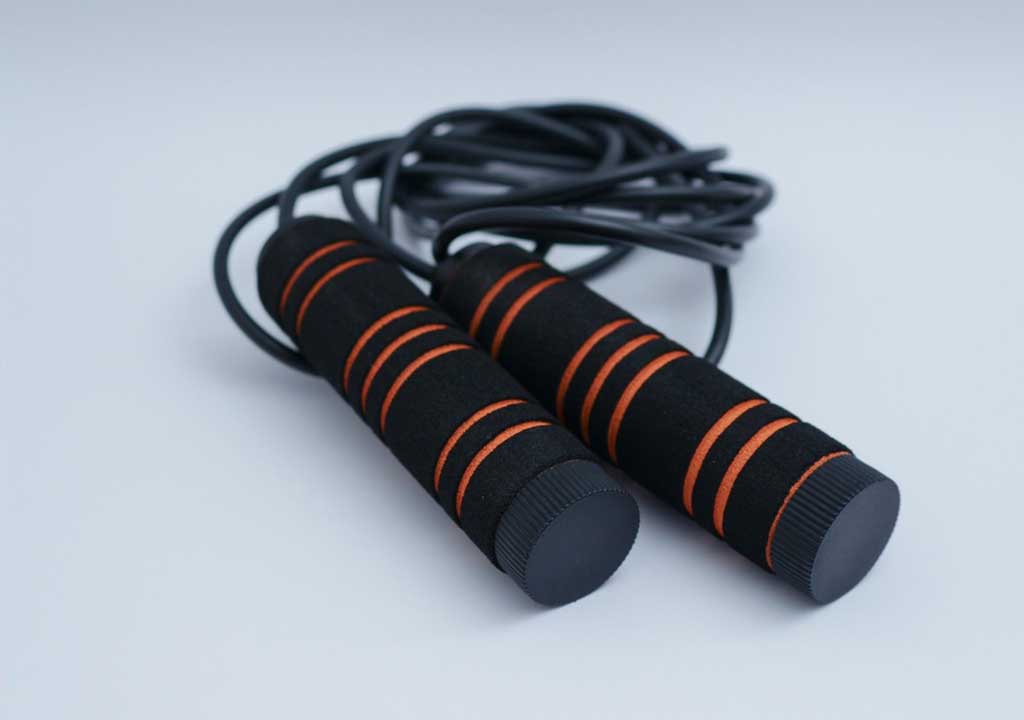
Choosing the right rope length is one of the first confidence boosters you can get. A rope that’s too long or too short can make even the simplest moves feel awkward. A good starting rule is to stand on the rope's midpoint with both feet; the handles should reach roughly armpit height. As you gain control, you can adjust length slightly shorter for faster turns or a bit longer for slower, more deliberate movement.
Other essentials include flat, supportive shoes with a grippy sole and a surface that isn’t too hard or uneven. A wooden or rubberized floor, a gym mat, or a smooth concrete surface with shoes that grip well will do nicely. Clothing should allow free movement—light, breathable fabrics and no loose drawstrings or dangling accessories that could catch the rope.
When you start, give yourself a clear practice space. Clear the area of furniture and props, and set a timer. Short practice blocks feel easier than endless sessions, and they’re easier to repeat consistently. Always begin with a quick warm-up: ankle circles, ankle pumps, light leg swings, and a few seconds of wrist circles to wake up the wrists and forearms that power the rope.
Foundational Techniques You Want to Build Confidence In
Several core concepts underlie most jump rope progressions. Mastering these makes all other skills feel reachable:
- Posture: Stand tall with shoulders relaxed, chest open, and gaze forward. Don’t slump or lean heavily from the hips.
- Grip and wrist action: Use your wrists to turn the rope, not your arms. Think small, quick circles rather than big, sweeping motions.
- Timing: The rope should pass under your feet as you rise slightly onto the balls of your feet. A light hop is enough—no need to jump high.
- Breathing: Inhale, then exhale as you jump. A calm breath helps you maintain rhythm and reduces tension.
- Footwork basics: Start with two-foot bounce (both feet together) to establish rhythm, then progress to more varied footwork as you gain confidence.
Common pitfalls include jumping too high, tensing up your shoulders, and letting the rope catch under your heels. If you trip, pause, reset your stance, and reassess your timing—the goal is not perfection but repeatable, controllable motion.
Short Progressions to Build Confidence
Below are a series of short, approachable progressions that target the most fundamental jump rope skills. Each progression is meant to be practiced in short blocks (1–3 minutes), with a brief rest. Move to the next progression only when you feel confident with the previous one. The idea is to stack tiny wins into a solid skill set.
Progression 1: Rope Turn Only (No Jump)
Objective: Get comfortable with the rope’s turning motion and timing without worrying about leaving the ground. This builds anticipation and reduces fear of tripping.
How to do it: Stand tall with feet hip-width apart. Hold the handles lightly, elbows tucked in. Use your wrists to turn the rope in small, quick circles. Keep your shoulders relaxed. Practice turning the rope overhead and letting it swing toward the ground just before your feet would touch. Do not jump—just focus on the rhythm of the rope passing under your feet line by line. If the rope hits the ground, reset and try again.
Cues and tips: Rotate with your wrists, not your elbows. Keep the rope close to your body and avoid overreaching. If you notice you’re bending your knees too much, soften the bend and come back to a light, bouncy rhythm.
Common mistakes: Turning the rope too slowly and catching the rope on your feet, which can lead to hesitation. If you lose the rhythm, take a breath, reset your grip, and try again with smaller, faster wrist movements.
Practice time: 1–3 minutes per session, 3–4 sets. Short and focused is better than long and frustrating.
Progression 2: Two-Foot Bounce (Low, Controlled)
Objective: Build a controlled rhythm with both feet still on the ground for a moment after each hop. This is the foundation for more complex moves.
How to do it: With the rope turning from Progression 1, keep both feet together and perform gentle, small hops. Land softly on the balls of your feet, knees slightly bent, and avoid stomping. Allow your wrists to do the turning while your feet absorb the impact. Keep your gaze forward and your core engaged.
Cues and tips: Aim for a light bounce—think of your feet barely leaving the ground. If you’re tripping or the rope feels tangled, shorten the rope slightly or slow down the turn tempo.
Common mistakes: Jumping too high or trying to hurry through the move. Confidence comes from the feeling that you could do this move 100 times without looking clumsy.
Practice time: 2–4 minutes, with short rests between sets. Progress only when you feel balanced and in rhythm.
Progression 3: Alternate Foot Step (Jog in Place)
Objective: Introduce a natural walking-to-running rhythm with the rope, which helps you practice timing while moving your feet in a more dynamic pattern.
How to do it: Start with the two-foot bounce for a moment, then shift to an alternate foot pattern. One foot stays on the ground while the other leaves the floor to jump, then switch. Your jumps should remain small; focus on timing rather than height. The rope should pass under each foot in a steady, predictable cadence.
Cues and tips: Maintain upright posture. Move your arms in small circles to continue turning the rope. If you trip, pause, reset to Progression 2, and retry.
Common mistakes: Overstriding or lifting the knee too high. Keep the motion compact, and let your wrists drive the rope’s speed.
Practice time: 2–4 minutes, with brief rests. Work toward a smooth, even cadence rather than speed.
Progression 4: Single Jump with One Full Rope Cycle
Objective: Combine the skills of rope control with a real jump, but in small, manageable increments. This step is the first time you’re actually jumping over the rope in a controlled cycle.
How to do it: From the Alternate Foot Step, simplify to a confident two-foot bounce and then attempt a single small jump as the rope makes one full rotation. Land softly and immediately reset to Progression 2 if you stumble. Focus on timing—the jump should occur as the rope passes under your feet.
Cues and tips: Think of a gentle, quick hop rather than a big leap. Avoid leaning forward or backward; stay centered over your feet. If you feel you’ve mis-timed, pause and return to the two-foot bounce to regain control.
Common mistakes: Jumping too high or pulling the rope too quickly, which makes timing inconsistent. Small, repeated jumps are more effective than a few high leaps.
Practice time: 2–3 minutes of focused attempts, with 1–2 minutes of rest between sets. Start with 2–3 successful jumps per set, then increase gradually as confidence grows.
Progression 5: Quick Pass-Under Drill (Two Small Hops per Rotation)
Objective: Increase your comfort with slightly faster rope speed and a more fluid transition between steps and jumps.
How to do it: Return to Progression 3 (Alternate Foot Step) or Progression 4, then attempt two small hops per rope rotation. Keep hops controlled and under a modest height. Focus on a reliable cadence, allowing the rope to pass under your feet between hops.
Cues and tips: Keep wrists light and wrists-driven. If you’re still hesitant, pause after each rotation to reset to Progression 2, then try again.
Common mistakes: Speeding up too soon and sacrificing form. The aim is a steady, repeatable rhythm—not speed at the expense of control.
Practice time: 2–4 minutes of short sets, with consistent rest. Build up to a seamless 10–20 seconds of continuous two-hops-per-rotation, then extend as you gain confidence.
Progression 6: Box Drill (Lateral Footwork)
Objective: Expand your movement repertoire to include lateral steps. This helps you feel balanced and prepared for real-world moves like jogging forward and backward while you’re jumping.
How to do it: Stand with feet shoulder-width apart. Move one foot to the side, then draw the other foot to meet it, creating a small “box” with your steps. Continue the pattern while the rope turns. After a few cycles, switch directions and practice stepping to the other side. Keep jumps light and short; you’re still focusing on rhythm and timing, not distance.
Cues and tips: Engage your core to keep your torso stable. Look forward, not down at your feet. If you feel off-balance, slow down and re-center with a shorter, slower rhythm.
Common mistakes: Over-striding to cover space quickly, which disrupts balance. The goal is small, controlled movements within the rhythm of the rope.
Practice time: 3–5 minutes per session, with short rest breaks. Lateral drills can be introduced after you’re comfortable with the previous steps.
Progression 7: 60-Second Confidence Circuit
Objective: Combine the skills learned so far into a short, repeatable circuit that reinforces cadence, balance, and timing—without overwhelming you.
How to do it: Plan a 60-second cycle that includes: 10 seconds of rope turns only, 10 seconds of two-foot bounce, 10 seconds of alternate foot step, 10 seconds of single jumps, and 20 seconds of box drill. After the 60 seconds, rest for 30–60 seconds and repeat 2–3 times. Keep the effort manageable and finish with a cool-down stretch.
Cues and tips: Focus on transitions from one move to the next. Breathe steadily, and imagine your body as a smooth machine turning the rope. If you miss a segment, don’t dwell—simply resume with the next segment in the circuit.
Common mistakes: Trying to force all moves at once. The goal is to perform each segment well within your current capabilities. You can gradually increase the duration and number of repetitions as confidence grows.
Putting It All Together: A Simple 4-Week Confidence Plan
Weeks 1–2: Foundation and rhythm
• Practice Progression 1 and Progression 2 every session for 2–3 minutes each. Build a calm rhythm, focusing on small jumps and relaxed wrists.
• Add Progression 3 for 2–3 minutes per session once Progressions 1 and 2 feel smooth and controlled. Prioritize cadence over speed.
• Introduce Progression 4 for short, focused repetitions. Start with 2–3 successful single-jump cycles per set, and gradually increase as confidence allows.
Weeks 3–4: Dynamic movement and transitions
• Begin Progression 5 in short blocks: two hops per rotation, with rather small height. This challenges your timing without overwhelming you.
• Add Progression 6 to your routine to diversify movement and improve balance. Practice half the time on one side, then switch.
• Finish with Progression 7 to fuse all the skills into a concise cadence that you can repeat when you’re pressed for time.
For all weeks, include a brief 5–10 minute warm-up (ankle circles, leg swings, shoulder rolls) and a 5–10 minute cool-down (gentle stretches for calves, hamstrings, shoulders, and wrists). Use a timer or a phone to structure your sets so you can measure progress over time.
Tip: Keep a small practice log. Note which progression felt easiest, which required more attempts, and any cues that helped you regain rhythm after a stumble. This log becomes a personal guide to your own learning curve and can be incredibly motivating.
Common Errors and How to Tackle Them
As you build confidence, you’ll encounter a few recurring errors. Here are quick fixes to stay on track:
- Trip or catch: Revisit Progression 1 or 2 to re-establish rhythm. Short, mindful turns with the wrists, not the arms, are usually the fix. Take a moment to breathe and reset.
- Tension in the shoulders: Relax your shoulders, keep elbows in, and use a smaller wrist motion. Tension is a sign you’re trying too hard, which disrupts the flow of the rope.
- Jumping too high: Focus on a light, quick hop. The rope needs to pass close to the ground. If you’re lifting your feet too high, slow down the rotation and shorten the jump.
- Poor timing: This is often solved by slowing down. Practice Progression 1 and Progression 2 at a slightly slower pace until the timing feels natural, then gradually increase tempo.
Safety and Injury Prevention
Jump rope is low-impact for many people, but repetitive jumping can stress the ankles, knees, or shins if you push too hard. Follow these safety tips to protect yourself:
- Start slow and progress gradually. Never push through sharp pain. If something hurts badly or persists, stop and consult a professional.
- Wear supportive footwear designed for impact activities. Avoid worn-out shoes that lack padding or stability.
- Choose a forgiving surface (wood, rubber, or matting) to reduce impact. Avoid hard concrete or uneven ground when you’re still building coordination.
- Hydrate and warm up well. A brief warm-up lowers the risk of ankle sprains and helps you maintain mobility and grip as you practice.
Closing Thoughts: Your Path to Confidence
Building confidence with jump rope is a journey of small, repeatable wins. The progressions above are designed to be approachable, repeatable, and adaptable to your own pace. The key is consistency—moments of confident rhythm compound into longer periods of control and creativity. As you move through the progressions, you’ll notice subtle changes: your jumps become steadier, your wrists feel lighter, and the fear of tripping fades into the background. Soon, you’ll be able to string together more complex moves, experiment with tempo, and enjoy the process of learning something new.
If you want an extra boost, consider recording a short video of your practice every week. Watching yourself from a third-person perspective can help you notice small improvements you might miss in the moment. Share your progress with a friend or coach for feedback and encouragement. And most importantly, treat each practice as a celebration of your progress—because confidence grows not from a single breakthrough but from a series of deliberate, empowering steps.
Quick Recap of the Core Ideas
- Build confidence with short, focused practice blocks that emphasize rhythm, control, and timing.
- Start with rope control (Progressions 1 and 2) before adding movement (Progressions 3–4) and speed (Progressions 5–7).
- Use a simple weekly plan to structure progress, and log your wins to stay motivated.
- Prioritize safety, proper technique, and gradual progression to avoid frustration and injuries.
Ready to Begin?
If you’re ready to start building your confidence with jump rope basics, pick a plan from the Progressions list and commit to a four-week cycle. Remember: the goal is not to be perfect on day one but to create a reliable, repeatable pattern that yields small wins every session. With patience, consistency, and a clear progression, you’ll find that confidence follows natural momentum—one light, controlled jump at a time.
Note: If you have any preexisting joint issues or concerns, consider talking to a healthcare professional before starting a new exercise routine.
LIKED THIS ARTICLE? SHARE IT: