



















Rope Rehab: Mobility-First Jump Rope Training for Longevity

Rope Rehab: Mobility-First Jump Rope Training for Longevity
Jump rope is often dismissed as a kid’s pastime or a cardio gimmick. But when you tilt it toward a mobility-first philosophy, rope training becomes a smart, sustainable mantenance practice for joints, connective tissue, and movement longevity. Rope Rehab is not just about counting seconds or chasing double-unders; it’s about rebuilding movement quality, greasing the joints with controlled, low-impact stimuli, and stacking movement skills that pay off in everyday life. In this post, you’ll discover how to reframe jump rope as a mobility-first rehab tool that supports longevity, resilience, and a stronger, more capable body.
Why Mobility Comes First in Jump Rope Training
Mobility-first training starts with the premise that without adequate range of motion, strength often gets stuck in suboptimal patterns. The jump rope, when used with mindful mobility principles, becomes a dynamic assistant that guides your joints, tendons, and muscles through safe, functional ranges. Here’s why mobility should lead the way:
First, mobility sets the stage for efficient technique. If your ankles can dorsiflex reliably, your knees can track over your toes without collapsing inward, and your thoracic spine can rotate, you’ll land landing mechanics that protect the knees, hips, and lower back. When you’re stiff or compensating, the rope demands become a risk factor rather than a tool for conditioning.
Second, mobility work reduces injury risk. Short-term gains from brute force workouts can come with a long-term price if joints and soft tissue aren’t prepared. A mobility-first approach teaches tissues to adapt progressively, which lowers rates of tendinopathy, impingement, and overuse injuries. It also supports better recovery between sessions by promoting blood flow, tissue lengthening, and neural efficiency.
Third, longevity isn’t just about longer life; it’s about better quality of life. The rope can be used to improve posture, thoracic rotation, shoulder health, hip hinge mechanics, and ankle stiffness—things that show up in daily activities like walking, bending to tie shoes, or climbing stairs. Mobility-first rope work helps you stay active, adaptable, and resilient as you age.
The Rehab Mindset: Assess, Mobilize, Jump
A practical way to approach rope rehab is to adopt a simple cycle: assess, mobilize, jump. This cycle keeps sessions purposeful and safe, especially if you’re returning from an injury or trying to slow age-related movement decline.
Assess: Start with a quick self-check to identify bottlenecks. Some thoughtful questions:
- Can I bend my ankles while keeping my heels down and my knees tracking over my toes?
- Do I feel tightness or stiffness in my hips when I hinge or rotate?
- Can my thoracic spine rotate 30–40 degrees without pain or pinching?
- Are my shoulders stable and mobile during overhead movements?
Mobilize: Use targeted mobility drills before you pick up the rope. The goal is not to press through pain but to introduce safe, controlled ranges that normalize your movement patterns. You’ll often see benefits in 5–15 minutes of targeted work:
- Ankle dorsiflexion and calf mobility.
- Hip flexor and hip extension mobility for a better hinge.
- Thoracic rotation and spine extension for safer overhead and side-to-side movements.
- Shoulder girdle mobility and scapular stability for healthier coil and swing mechanics.
Jump: Start with a low-impact, technique-focused rope session. The goal is to practice fluid, controlled movements that respect your mobility limits. Progression should be gradual, and you should be prepared to pause or regress if you feel discomfort beyond mild fatigue.
Rope Rehab: The Equipment and Setup
Choosing the right rope and setup can support a mobility-first approach as much as your technique does. Here are practical guidelines to set you up for success:
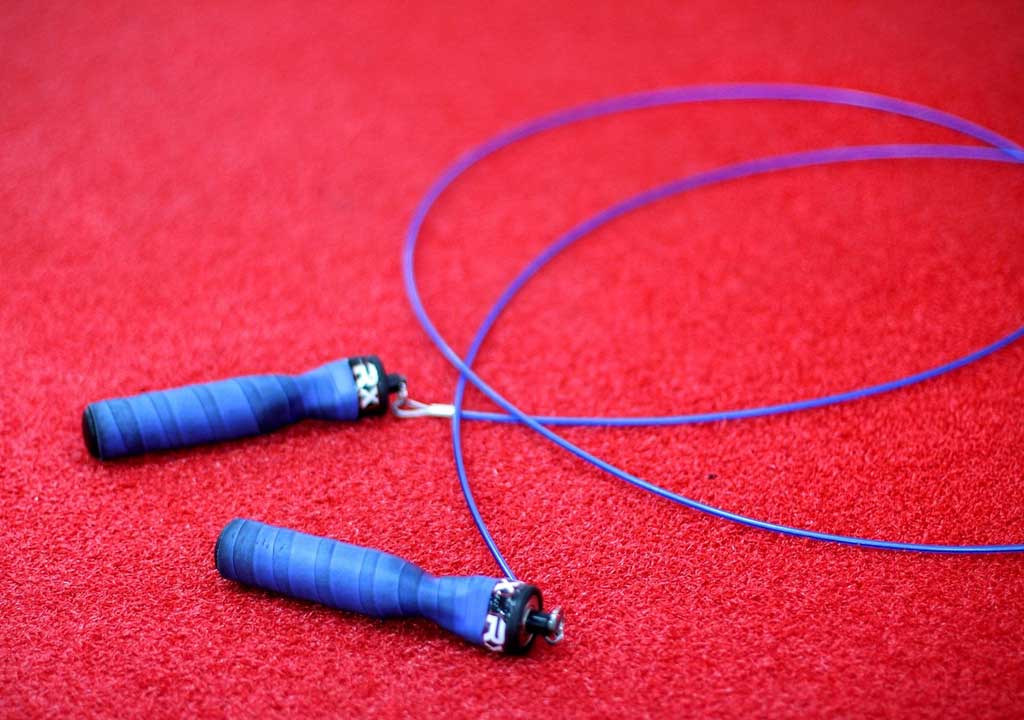
- Rope type: Start with a lightweight, smooth rope made for beginners. Beaded rope options provide rhythm and feedback; vinyl or speed ropes are fine as you mature into more precise rotations. For mobility work, a slightly slower rope helps you focus on form rather than chasing speed.
- Rope length: A good rule of thumb is to stand on the rope in the center and hold the handles up to chest height. The rope should reach your armpits or just above. A rope that’s too long will create excess slack and make precise control harder; one that’s too short will restrict arm swing and shoulder mobility.
- Surface and footwear: Practice on a cushioned, non-slip surface to reduce impact on joints. Wear supportive, low-to-mid-heeled shoes that stabilize the foot and ankle. If you’re dealing with foot or ankle tightness, consider barefoot-capable routines in a safe environment, but progress gradually.
- Environment: Clear the area of obstacles and set up near a wall for balance support if needed. The first weeks are about technique and mobility, not depth in volume.
With the right tools, you can move through mobility-focused rope work with grace, precision, and less friction on your joints. The rope becomes a feedback mechanism—your body tells you when your mobility is ready to progress, and your progress validates your mobility work.
The Mobility-First Warmup Protocol
A well-structured warmup preps your joints for the specific demands of rope work. This protocol blends mobility drills with light activation to awaken the tissues without exhausting them before you begin rope motion.
1) Ankle preparation (2–3 minutes)
Stand tall, feet hip-width apart. Perform ankle circles in both directions (10 reps each). Move to calf raises with controlled lowering to stretch the Achilles. Finish with a few gentle dorsiflexion movements against a wall to nudge the ankles into a safer range for push-off and takeoff during jumps.
2) Hip mobility (3 minutes)
Do 90/90 hip transitions: sit on the floor with one leg in front, knee bent at 90 degrees, the other leg behind with the knee also at 90 degrees. Switch sides slowly, aiming for more posterior chain engagement and hip rotation. Add a standing hip hinge with a light reach toward the floor to awaken glutes and hamstrings.
3) Thoracic spine and shoulder readiness (3 minutes)
Perform thoracic spine rotations seated or kneeling, hands behind the head, elbows wide as you rotate to each side. Follow with wall slides or shoulder dislocations using a dowel or broom handle to improve scapular motion and shoulder track.
4) Dynamic spine and mobility flow (2–4 minutes)
Caterpillar walks (hip hinges into a forward fold, walk hands outward into a plank, then walk feet back to hands), then thoracic-rotation cat-cow sequences. Finish with light torso twists and side bends to warm up the obliques and spine lateral flexion, all at a comfortable, non-painful pace.
This warmup sets the stage for a more mindful rope session, letting you approach jumps with better alignment and less compensatory movement.
Rope Rehab: Basic Movements and Progressions
The movement library for mobility-first rope work isn’t about chasing speed or volume; it’s about quality, control, and progressive loading that respects your joints. Start with foundation patterns and gradually layer in challenge as your mobility improves.
Foundational patterns (beginner-friendly)
1) Two-foot basic bounce (focus: timing, posture, ankle control).
2) Alternate-foot step (focus: weight transfer, ankle stiffness, knee tracking).
3) Side swing (focus: scapular stability, arm path, core engagement).
4) Low-to-moderate knee lift with rope underfoot (focus: hip hinge fidelity and knee protection).
5) Boxer step (focus: tempo control, rhythm, and coordination).
Each movement can be performed for short intervals (e.g., 20–60 seconds) with equal rest, allowing you to monitor technique and breath.
Mobility-friendly progression (as mobility improves)
1) Increase time under tension in each pattern (40–90 seconds).
2) Raise the elbow line to promote higher shoulder engagement while maintaining scapular health.
3) Introduce mild single-leg variations (carefully) once ankle and hip mobility supports it, such as a controlled single-leg bounce with the other leg lightly engaged for balance.
4) Add brief pauses with rope at the apex of each rep to encourage better ribcage and spine alignment.
5) Incorporate gentle overhead reaches during the swing (arm reaches forward or overhead with controlled tempo) to enhance thoracic extension and shoulder mobility.
Remember: mobility work should always be a buffer to jump technique, not a substitute for a solid base of stability and alignment. If you feel joint pain or sharp sensations, regress immediately and return to the mobility drills or a less demanding rope pattern.
Training Protocols That Promote Longevity
Longevity in movement isn’t about beating your body into the ground; it’s about sustainable consistency, gradual progress, and balancing load with recovery. Here are principles to guide rope rehab for a long and healthy life:
- Frequency: 3–4 rope-focused sessions per week are a practical starting point for most adults. Add mobility-only days in between to emphasize recovery and tissue remodeling.
- Volume and intensity: Start with brief rope intervals (20–60 seconds) and a comfortable rest equal to or greater than the work period. Progress by increasing duration gradually (to 90 seconds or 2 minutes) while maintaining good form.
- Tempo: Slow to moderate tempo with a focus on rib-cage control, hip hinge, and shoulder stability. Avoid maximal speed during mobility-driven phases; speed comes as technique and mobility allow.
- Recovery: Prioritize sleep, hydration, and nutrition. Short post-workout mobility routines can assist with recovery by reducing stiffness, promoting tissue remodeling, and easing the nervous system.
- Technique over quantity: If your form collapses under fatigue, cut back the duration and scale back to a regression you can perform cleanly.
- Progressive overload with intention: Gradually add time, resistance (via rope weight or tempo), or complexity of movements, but only when technique remains solid.
These principles align well with the life-long goal of staying active and mobile. The rope becomes a versatile tool for conditioning, mobility, and proprioception—factors that contribute to independence and vitality as you age.
Common Roadblocks and How to Address Them
As with any fitness practice, rope rehab comes with potential snags. Here are common issues and practical fixes that keep you moving safely and productively:
- Ankle stiffness or knee pain: Revisit ankle dorsiflexion work and reduce rope speed to prevent knee valgus. Prioritize a stable landing and soft knee flexion. Consider a slightly longer warmup to prime the ankle joints before jumping.
- Shoulder tightness or impingement: Shorten sessions that involve heavy overhead reaching. Emphasize scapular mobility, external rotation, and a reduced range of motion until the shoulder feels stable. Use towel stretches or doorway stretches between sets to keep shoulders mobile without loading them aggressively.
- Low back soreness: Double-check hip hinge mechanics and engage core stabilizers. A brief posterior chain activation routine (glute bridges, dead bug progressions) can help protect the lumbar spine during rope work.
- Balance challenges: Use a wall for support during early progressions or perform moves on a softer surface to reduce fall risk. Work on single-leg balance exercises in parallel to rope sessions to improve stability over time.
- Plateau in progression: Shrink the rest intervals slightly, or loop in a more complex mobility sequence during the warmup. Sometimes small changes in tempo and pattern can unlock new gains.
Most roadblocks are symptoms of overloading or under-preparation. By prioritizing mobility and technique, you can move through plateaus with less risk and more sustainable progress.
Sample 4-Week Rope Rehab Plan
The following plan is designed to teach the mobility-first mindset while gradually increasing rope work capacity. It emphasizes technique, mobility, and mindful progression rather than raw speed or bursts of volume.
- 3 rope sessions (15–25 minutes total per session). Focus on two foundational patterns (two-foot bounce and alternate-foot). 30–45 seconds per pattern, with 60–90 seconds rest. Include the mobility warmup described above before each session.
- 2 mobility-only days (15–25 minutes) performing ankle, hip, thoracic, and shoulder drills.
- 3 rope sessions (20–30 minutes). Add side swing and boxer step. 40–60 seconds per pattern, with 60–90 seconds rest. Maintain a slow to moderate pace to emphasize control and form.
- 2 mobility days (20–30 minutes) adding goblet squat with a light load and hip flexor sequences to improve squatting posture.
- 4 rope sessions (25–35 minutes). Introduce a light overhead reach during swings, integrate brief pauses at the apex of each rope pass, and perform 60–90 seconds per pattern with short rests.
- 2 mobility days (20–30 minutes) focusing on thoracic extension and shoulder flexibility in addition to the base mobility work.
Week 4
- 4 rope sessions (30–40 minutes). Increase time per interval to 90 seconds with 60 seconds rest. Aim for more continuous rope motion while maintaining form. Include one longer, low-intensity cardio session (e.g., brisk walk or light cycle) for active recovery.
- 2 mobility days (25–35 minutes) with a small emphasis on hip hinge mechanics and posterior chain activation to support more jump work.
Remember: this plan is a framework. If you’re returning from an injury or dealing with pain, slow the progression and consult a healthcare professional or a movement coach who understands mobility-first training.
Rope Rehab for Different Ages and Bodies
Longevity is personal. A mobility-first rope program should be adaptable to different ages, body types, and fitness histories. Here are some customization tips:
Emphasize low-impact patterns, longer rest periods, and progressive mobility drills that prioritize balance and joint health. Focus on alignment and stability rather than speed. Consider longer warmups and lighter loads during any strength phases. Start with the simplest patterns and a longer warmup. Prioritize technique and pain-free ranges of motion. A slower, controlled pace reduces the risk of injury and increases learning curves. Work with a clinician or physical therapist to create a transitional plan that emphasizes tissue healing, mobility restoration, and movement re-education before resuming higher-intensity rope sessions. Use micro-sessions (10–15 minutes) focusing on mobility and light rope work on non-consecutive days. Short, consistent practice beats sporadic, long sessions when it comes to long-term adherence.
The key is to treat mobility-first rope work as a daily maintenance tool rather than a one-off fix. Consistency, patience, and listening to your body drive long-term success and joint health.
Integrating Rope Rehab into a Holistic Longevity Plan
While rope rehab is a powerful tool, it works best as part of a broader longevity-oriented routine. Consider weaving the rope into a complementary framework that also supports strength, nutrition, sleep, and stress management:
Pair mobility-first rope work with 2–3 sessions of targeted strength work per week. Focus on multi-joint movements with proper form, such as hip hinge patterns, step-ups, and push-pull movements that support shoulder and hip stability. Rope work provides a cardio stimulus without the joint-jarring impact of jogging on hard surfaces. Incorporate other low-impact cardio options like cycling or swimming to diversify loading patterns and reduce repetitive stress. Prioritize protein intake for tissue repair and omega-3 fats for inflammation management. Hydration supports tissue pliability and joint health, while adequate micronutrients contribute to connective tissue resilience. Sleep is where recovery and adaptation occur. Create a bedtime routine and aim for consistent sleep patterns to optimize the benefits of mobility training. Integrate mobility flows into daily life. Short micro-sessions during work breaks can reinforce your mobility gains and reduce fatigue from long periods of sitting.
With Rope Rehab, you’re not chasing a single outcome—cardio, mobility, strength, and joint health become a cohesive system that supports longevity. The rope is the thread weaving together movement quality, resilience, and enduring vitality.
What It Feels Like: Real-World Benefits of Mobility-First Rope Training
People who adopt a mobility-first rope approach often report tangible benefits beyond the gym. Here are a few you might notice over weeks and months:
- Better ankles and hips allow you to move with more ease in everyday tasks like bending, squatting to tie shoes, or carrying groceries.
- Improved thoracic mobility translates to less neck and upper-back tension after long days at a desk.
- Shoulder stability makes overhead movements more comfortable, reducing impingement symptoms and improving posture.
- Enhanced balance and proprioception support fall prevention, especially important as you age.
- Consistent practice fosters a positive relationship with movement, turning exercise into a sustainable daily habit rather than a dreaded routine.
All of these benefits come from a simple principle: move within your ranges, and progressively explore new ranges that feel safe and controlled. The rope becomes a portable, scalable tool for lifelong movement health.
Conclusion: Longevity Through Movement, Not Momentum
Rope Rehab reframes jump rope training as a mobility-forward path to longevity. It shifts the focus from pushing through pain or chasing peak performance to cultivating sustainable movement quality, joint resilience, and daily functional ability. The rope becomes more than a toy—it becomes a rehabilitative, preventive, and playful instrument that supports the long arc of health and vitality.
The core idea is simple: assess your movement limits, mobilize to expand safe ranges, and jump with technique and control. Do this consistently, respect your body’s signals, and progress gradually. Your joints, connective tissues, and nervous system will thank you with less pain, more freedom of movement, and a greater sense of confidence in your daily life.
If you’re ready to start, begin with a light, comfortable rope, a short mobility warmup, and a plan that respects your current range of motion. Over weeks and months, you’ll likely find that rope rehab isn’t just about staying active—it’s about aging well with strength, mobility, and joy in movement. Here’s to longevity through mindful, mobility-first rope work.
LIKED THIS ARTICLE? SHARE IT: