


















Mastering Jump Rope Form: Posture, Timing, and Rhythm

Mastering Jump Rope Form: Posture, Timing, and Rhythm
Jump rope training is more than just counting revolutions per minute. It’s a mind-and-body practice that blends posture, timing, and rhythm into a graceful, efficient movement. When you dial in form, you’ll jump longer, land softer, and build endurance without pounding your joints. This comprehensive guide will walk you through the essentials of posture, timing, and rhythm, plus practical drills, equipment tips, and common mistakes to help you elevate your rope-skipping game.
Introduction
Whether you’re chasing a personal best, adding variety to a cardio routine, or teaching younger athletes how to move efficiently, mastery of jump rope form pays dividends. The rope is a simple tool, but the technique behind it is a physics-based art: the rope must pass under your feet at the right moment, you must stay balanced, and your body must move with a light, controlled cadence. When posture, timing, and rhythm come together, jumps become a fluid rhythm section rather than a series of jarring hops.
The Core Idea: Form Trumps Speed
It’s tempting to chase speed from the start, but rapid rope rotations without sound form lead to wasted energy and a higher risk of injury. The goal is to establish a reliable baseline of movement—an efficient, repeatable arc—that you can expand with time. Once you can maintain a consistent rhythm with clean landings, you can progressively shorten the bounce, increase rope speed, and introduce skill patterns. In short: start with solid form, then add speed and complexity.
Posture: The Foundation of Efficient Jumping
Posture sets the stage for every other aspect of rope work. A balanced, neutral alignment reduces wasted movement and protects joints during repeated jumps. Here are the core principles to practice and internalize:
1) Head and gaze. Keep your gaze forward, about 6 to 8 feet ahead, not down at your feet. A neutral head position helps your spine stay tall and your shoulders relaxed. If you find yourself tensing your neck or jutting your chin forward, reset and recheck your alignment.
2) Shoulders and arms. Let your shoulders settle down and away from your ears. Your elbows should hang softly at your sides, with only a subtle bend at the elbows. The rope should rotate from the wrists, not the shoulders or arms. Think of your forearms as the engines that turn the rope, while the shoulders remain relaxed and stable.
3) Core engagement. A light, even brace around the core helps keep the torso upright and prevents dipping or arching. Imagine someone gently pulling you from the crown of your head and from your tailbone to maintain a tall, tall posture without stiffness.
4) Hip and knee alignment. Your hips should stay under your rib cage, not jutting forward or tilting excessively. Knees stay slightly flexed, absorbing impact softly. This soft-knee stance is crucial for smooth landings and resilience on longer sessions.
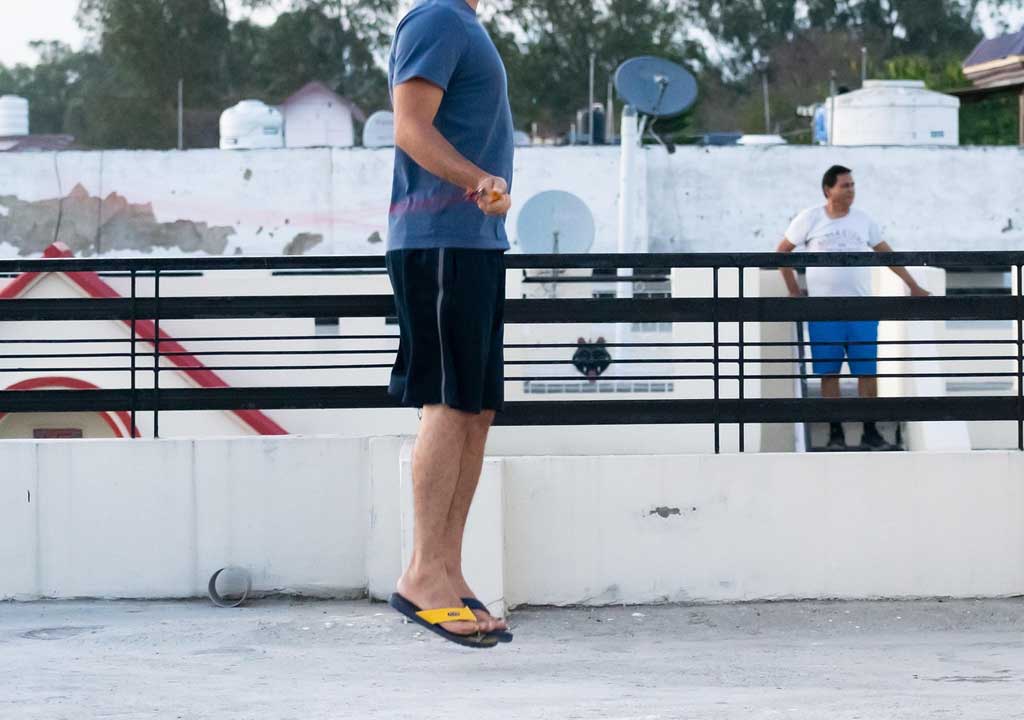
5) Foot placement and weight. Land softly on the midfoot to ball of the foot, with a light, quick push-off. Avoid grinding your heels into the ground or slamming your feet down. A quiet, almost silent foot strike is a hallmark of good form.
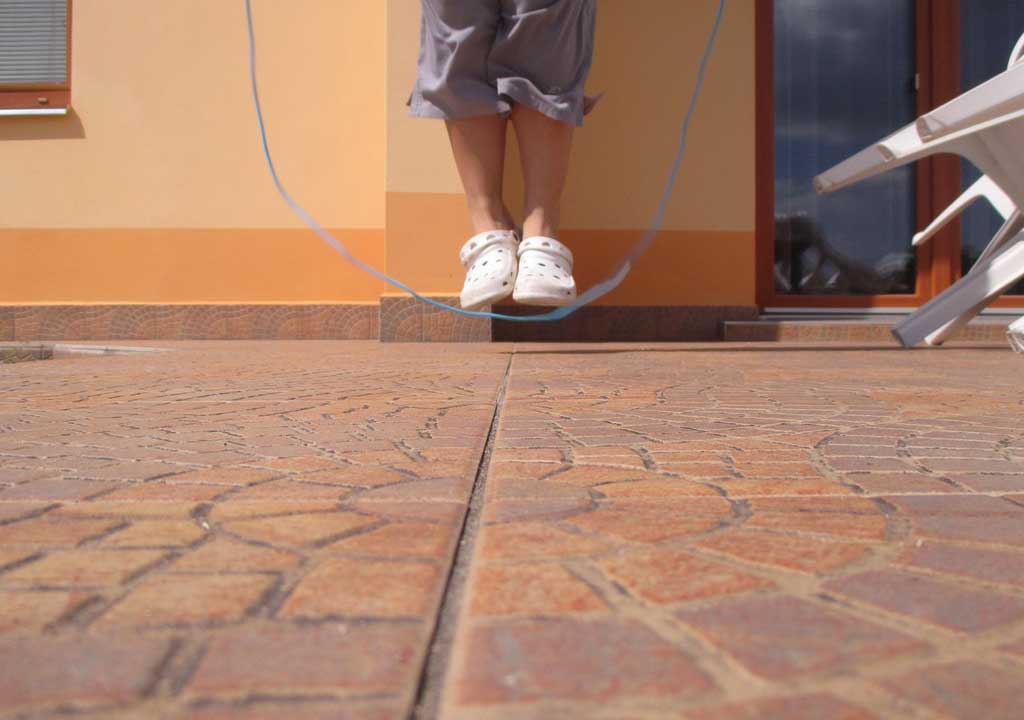
6) Height of the rope and bounce. In most basic jumps, you want the rope to travel just under your feet. The bounce should be a small, controlled spring—not a deep knee bend. This keeps the rope airborne at a comfortable height and reduces impact forces.
Putting all these elements together creates a posture that is tall, relaxed, and ready to move. It also makes it easier to sequence wrist-driven rope rotations with a smooth, compact body motion.
Timing: When the Rope Meets the Ground
Timing is the cadence of your rope. It’s about coordinating the rope’s rotation with the moment you leave the ground and the moment you land. Good timing minimizes stress on the joints and maximizes efficiency. The following concepts help you develop precise timing:
1) The foundational beat: one close bounce per revolution. In basic jump rope, most people aim for a rhythm where the rope makes one complete rotation for each small hop. This means you practice a cadence where your feet leave the ground just after the rope passes under them and land right as the rope returns. The goal is a smooth, repeating cycle with minimal vertical travel.
2) Wrist-driven rotations. The rope should rotate primarily from the wrists, not the elbows or shoulders. The forearms serve as a lever to orbit the rope. If you notice the rope dragging or you’re using your arms excessively, slow down and re-center on the wrists’ motion.
3) The timing of takeoff and landing. Takeoff should occur after the rope passes beneath your feet, not before. Landing should be quiet and controlled, with the knees soft. If you’re landing hard, you’re either jumping too high or allowing the rope to pull you off balance. Reset your height and focus on a subtle bounce that meets the rope’s rotation.
4) Rope length as a timing cue. If the rope is too long, it will require a larger arc to clear your feet, which can disrupt timing. If too short, you’ll catch the rope on the feet and stumble. The classic test is to stand on the rope’s midpoint, hold the handles at chest level, and ensure there’s a slight bend in the wrists with smooth, natural movement. The rope should skim the ground about 1–2 cm (roughly 1/2 inch to 1 inch) in front of your toes during each pass.
5) Cadence and breath. Your breathing should be calm and regular, synchronized with your steps. A simple pattern can be inhale for two hops, exhale for two hops. As you increase speed, keep breathing relaxed to avoid tension in the neck and jaw.
A strong sense of timing also comes from monitoring feedback. If you catch the rope, your timing is off; if you trip, your line of travel may be off. Use a mirror or video yourself to observe your rhythm and adjust accordingly. The goal is a consistent, nearly invisible footprint where the rope passes smoothly beneath your feet with every rotation.
Rhythm: Developing a Flow That Feels Effortless
Rhythm is the musicality of jump rope. It’s the ability to sustain a cadence that feels natural and sustainable for your body. Building rhythm takes practice, patience, and a willingness to explore patterns that feel smooth. Here are some practical pointers to cultivate rhythm:
1) Establish a base rhythm before variety. Begin with a single-jet jump (one bounce per rope pass) to lock in cadence. Once you can maintain this comfortably for 60–90 seconds, you can gradually introduce slight tempo changes or different footwork patterns while preserving a steady rhythm.
2) Use metronome or music as a tempo guide. A metronome set to a moderate tempo (for example, 120–140 BPM) can help you practice a consistent cadence. You can also align your jumps with a song’s downbeat, being mindful to stay light on your feet and preserve form as tempo changes occur.
3) Practice different cadence levels. Alternate between a steady, relaxed pace, a quicker speed for cardio bursts, and a slower, controlled pace for endurance sets. The ability to shift cadence without breaking form is a sign of mature rhythm.
4) Integrate foot patterns for rhythm variety. Once you can do the basics, incorporate steps that share the same cadence. For example, the boxer step is a lateral shift that keeps the rope moving, or small alternating foot taps that maintain the same jump rhythm. The key is maintaining the rope’s tempo while your feet cycle through patterns.
5) Maintain an even vertical axis. A clean rhythm requires you to stay mostly vertical and minimize swaying. The torso should remain tall, with only small, controlled knee bend. A tall, balanced posture helps you recover quickly after each hop and keeps the rhythm unbroken.
Rhythm isn’t about sprinting through reps; it’s about finding a tempo you can repeat consistently, then expanding that tempo safely as your endurance and control improve. With time, your body will start to anticipate the rope’s path, and jumps will feel almost automatic—a sign of true rhythm mastery.
Equipment and Setup: The Right Tools for the Job
Choosing the right rope and setting it up correctly has a meaningful impact on your ability to develop posture, timing, and rhythm. Here are guidelines to optimize your setup and gear choices:
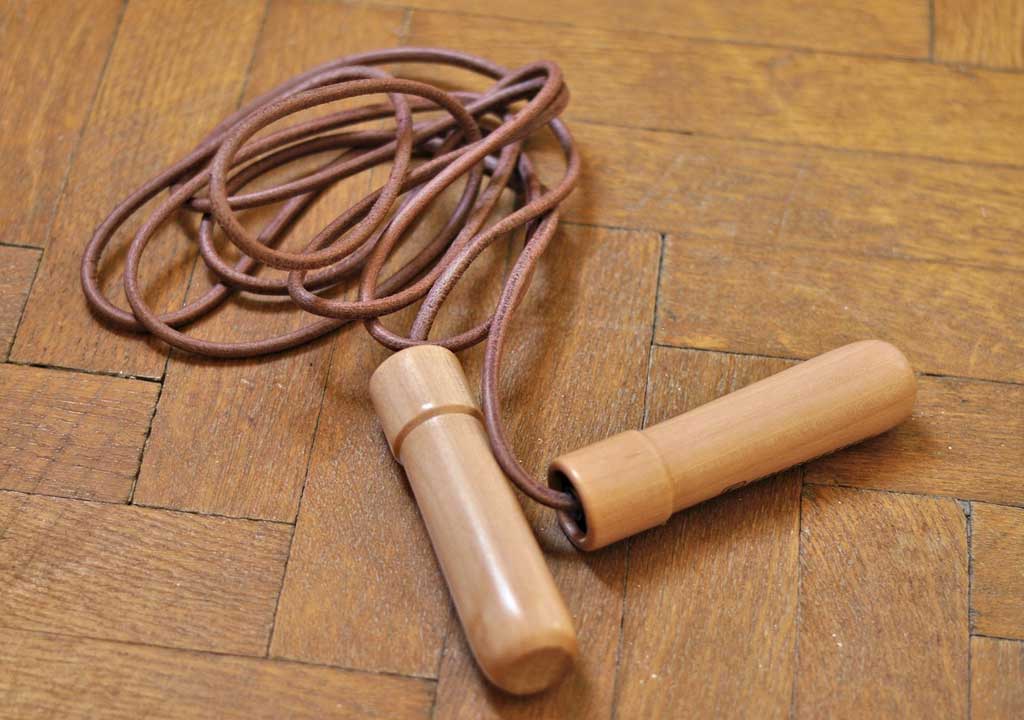
1) Rope type and length. For most adults, a standard speed rope or beaded rope works well for learning. To determine the correct length, stand on the rope’s midpoint with both feet, and pull the handles upward along your sides. The handles should reach about armpit height. If the rope is too long, it will drag; if too short, you’ll trip easily. A quick test is to keep your arms relaxed at your sides and ensure minimal slack when you extend your wrists to rotate the rope.
2) Handle grip. Hold the handles with a light, relaxed grip. Avoid squeezing tightly. Your wrists should feel in control, not tense. The grip should allow small, precise wrist movements that drive the rope’s rotation.
3) Footwear and surface. Wear supportive athletic shoes with good cushioning. A flat, non-slip surface is ideal. Grass or dirt can alter rope speed, while hard concrete may increase impact. If you’re on slippery surfaces, consider focusing first on control and timing before pushing for speed.
4) Warm-up and environment. Prepare your body with 5–10 minutes of dynamic movement—ankle circles, leg swings, light marching, and hip openers. Create enough space so you won’t hit walls or furniture. A clean environment reduces distraction and risk of tripping.
5) Maintenance and care. Check the rope for frayed strands or kinks, especially if you’re using a beaded rope or a cable-based rope. A spooled or coated rope tends to last longer and spin smoother than a rough rope on certain surfaces. Replace worn grips as needed to keep your hands comfortable during longer sessions.
Warm-Up: Prepare the Body for Jump Rope
A proper warm-up reduces injury risk and primes your nervous system for the movement patterns you’ll perform. A quick warm-up sequence can include:
– 2 minutes of light cardio (jogging in place, jumping jacks) to raise your heart rate.
– Dynamic mobility moves for the ankles, calves, hips, and shoulders (ankle circles, hip circles, leg swings, arm circles).
– 30 seconds of high-repetition, low-impact foot taps to wake up the calves and feet.
– A few practice rotations with the rope at a very slow pace to rehearse posture and wrist motion before increasing speed.
Drills and Progressions: Building Posture, Timing, and Rhythm
The following progression is designed to build confidence gradually while emphasizing form. Practice each drill in short sets, focusing on quality reps over quantity. Pause and reset if you lose form.
1) Basic jump (the foundation). Stand tall, rope overhead, wrists rotating, elbows close to your sides. Jump with a small bounce, landing softly on the midfoot. Keep shoulders relaxed and gaze forward. Move at a comfortable pace for 30–60 seconds, rest, and repeat. As you progress, try 2–3 sets of 45–60 seconds each with short rests in between.
2) Single-armed or two-handed wrist rotation check. With a comfortable pace, practice turning the rope with mostly wrist motion, keeping elbows close to the body. If you notice your elbows drifting away from your sides, shorten your range of motion and return to a wrist-driven arc.
3) Alternate-foot step (mini-boxer pattern). Jump and land on alternate feet with a light bounce. This introduces a lateral shift while maintaining a smooth rope pass. Keep the cadence steady and avoid stomping. Do 3 sets of 20–30 seconds, building up to 60 seconds as control improves.
4) Boxer step (lateral movement with steady rhythm). Shift your weight from one foot to the other with a small crossover motion, staying light on the toes and maintaining rope speed. The focus is not to trip or lean. Practice for 30–60 seconds, then add 1–2 more 30–60 second rounds as you improve.
5) Side swings (for rhythm and timing clarity). Practice gentle side-to-side rope swings without jumping. This helps you feel the rope’s arc and improves your timing for dynamic jumps. Once comfortable, alternate with basic jumps to smooth the transition between patterns.
6) Hard stop, soft land (control under pressure). Pair a fast rope pass with a very small jump and a soft landing to train your body to absorb impact quietly. This drill helps you maintain form even when you pick up speed or fatigue sets in.
7) Progressing to double-unders (optional). If you’re comfortable with single unders, you can add double-unders by increasing rope speed and height of jump. This requires confident timing and wrist control. Start with 5–10 attempts, then gradually increase as your control improves. Do not force it; double-unders are a culminating skill after you’ve established solid baseline form.
Common Mistakes and How to Fix Them
Even seasoned jumpers fall into familiar traps. Here are common errors and practical fixes to help you avoid them:
1) Jumping too high. A high jump wastes energy and disrupts rhythm. Fix: shorten the bounce height and keep the knees soft. Focus on a quick, light takeoff and a quiet landing.
2) Arm-driven rope rotations. If you see the rope swing from the elbows or shoulders, you’re using too much arm motion. Fix: return to wrist-driven turns. Practice in front of a mirror to ensure the wrists do the work.
3) Hunched posture. A rounded back or forward head tilt reduces efficiency and can strain the neck. Fix: reset posture, think tall and long through the crown of the head; relax the neck muscles.
4) Overstriding on landings. Landing with the foot too far in front increases braking and impact. Fix: land under your hips with a slight knee bend and a quick, controlled push-off.
5) Rope catching or tripping. Rope catches typically signal timing errors or rope length issues. Fix: re-check rope length, slow down to clean passes, and visualize the rope passing under your feet with each rotation.
6) Inconsistent breath. Breath-holding during effort leads to tension. Fix: practice a calm breathing rhythm that aligns with your jumps, staying relaxed in the jaw and shoulders.
Training Plans: How to Structure Your Practice
A well-structured plan helps you progress safely while keeping motivation high. Here are two sample 20-minute sessions you can rotate over a 4–6 week cycle. Adjust based on your fitness level and time available.
Plan A: Foundation and rhythm (moderate intensity).
0–5 minutes: Warm-up and mobility. 5 minutes: Basic jump at a comfortable pace, focusing on posture and timing. 2 minutes: Boxer steps to build rhythm. 3 minutes: Basic jump with wrist rotations only. 1 minute: Deep breath and light stretch. 5 minutes: Repeat the 2-minute cycles with short rests as needed. 5 minutes: Cool-down walk and gentle stretches.
Plan B: Endurance and precision (slightly higher intensity).
0–5 minutes: Dynamic warm-up. 5 minutes: Alternate-foot and basic jump rotations combined, staying mindful of posture. 3 minutes: Side swings with basic jumps. 2 minutes: Rest. 5 minutes: Short intervals of fast rope passes (15–20 seconds on, 20–25 seconds off) with a focus on minimal height and precise landings. 5 minutes: Cool-down and mobility work.
Injury Prevention and Recovery
Jump rope is a high-repetition activity that, when done with good form, is surprisingly joint-friendly. However, repetitive strain can occur if you train aggressively without proper recovery. Consider these tips:
1) Gradual progression. Increase volume and intensity gradually. If you’re new to jumping or returning after a break, build up from 5–10 minute sessions to 20–30 minutes over several weeks.
2) Foot health and ankle care. Calf raises, ankle dorsiflexion, and plantar fascia stretches can help support the repetitive impact. If you experience persistent pain, reduce volume and consult a clinician.
3) Soft surfaces for longer sessions. When you’re building endurance, you may prefer shorter jumps on a softer surface to reduce impact and joint strain. Switch to a harder surface for power and speed work only after your technique feels automatic.
4) Cool-down and mobility. End each session with gentle stretching and mobility work for the calves, shins, ankles, hips, and shoulders. Mobility work reduces stiffness and improves range of motion for the next session.
Mindset and Focus: The Mental Side of Jump Rope Mastery
Your mental approach can significantly influence how quickly you master posture, timing, and rhythm. Here are mental strategies to complement your physical practice:
1) Patience and observation. Great form develops through mindful repetition. Observe how your body feels during each movement and adjust gradually. Avoid forcing more reps than your body can handle cleanly.
2) Consistency over novelty. When you’re learning, stick with a few core drills rather than chasing a long list of advanced patterns. Consistent repetition builds motor memory and confidence faster than chasing new tricks.
3) Video feedback. Recording yourself can reveal subtle issues that you don’t notice in the moment. Review clips to check posture, rope height, and timing. Use slow-motion segments to pinpoint areas for improvement.
4) Goal setting. Set small, measurable goals for each week (e.g., hold perfect form for 2 minutes, complete 3 sets of 60 seconds with minimal misses). Clear goals sustain motivation and provide a tangible path forward.
Putting It All Together: A Sample 4-Week Progression
Week 1: Establish form and rhythm. Focus on posture, wrist-driven rope rotations, and a 1-hop-per-pass cadence. Practice 3–4 sessions of 15–20 minutes each, emphasizing control. End each session with a 5-minute cool-down stretch.
Week 2: Introduce variety. Add alternate-foot and boxer-step drills while maintaining a consistent cadence. Include 1–2 short sets of 60 seconds each for the basic jump. Keep rest periods to 30–60 seconds to challenge endurance while preserving form.
Week 3: Increase volume and precision. Extend jumping time to 25–30 minutes per session. Add a few rounds of low-intensity doubles attempts if you’re comfortable, and refine timing with a metronome or music to hold rhythm steady.
Week 4: Mastery milestones and maintenance. Focus on maintaining posture under fatigue. Try structured intervals (e.g., 2 minutes on, 1 minute off) with a mix of basic jumps, footwork patterns, and a controlled attempt at doubles if you’re able. End with a thorough cool-down and mobility session.
Frequently Asked Questions
Q: How long does it take to master jump rope form? A: It varies by person, but most people notice meaningful improvements within 4–8 weeks of consistent practice. The key is steady incremental progress and attention to form over speed.
Q: Can I jump rope every day? A: Yes, but listen to your body. If you experience joint pain or persistent fatigue, take a day off or reduce intensity. Short, focused sessions most days are often more effective than long, fatigued bouts.
Q: What if I’m tall or short, does rope length change? A: Rope length should be proportionate to your height. Taller jumpers may need slightly longer ropes, but the test remains the same: handles should reach approximately armpit height when the rope is folded in half under your feet. Adjust as needed for comfort and control.
Q: I keep tripping. What’s the first fix? A: Re-check rope length, ensure wrist-driven turns, maintain a small bounce, and practice with a slower cadence. Tripping is often the result of timing errors or an overly long rope.
Conclusion: The Art of Efficient Jump Rope Form
Mastering jump rope form is a journey of diligent practice, careful attention to posture, and a cultivated sense of rhythm. By focusing on a tall, relaxed posture, wrist-driven rope movements, and a controlled, consistent cadence, you’ll experience smoother landings, reduced fatigue, and longer, more enjoyable sessions. As with any skill, the payoff comes with time and patience. Start with the fundamentals, build in purposeful drills, and gradually layer in more challenging patterns as your technique becomes automatic. With a little daily attention to posture, timing, and rhythm, you’ll transform your jump rope practice into a fluid, efficient, and enjoyable movement routine that supports your overall fitness goals.
LIKED THIS ARTICLE? SHARE IT: